
Best small recliners for small spaces usually come down to two things: the chair’s “real” footprint when it reclines, and how you plan to use it day to day. If you’ve ever bought a chair that looked compact online but suddenly blocked a walkway once it leaned back, you already know why this matters.
Small-space seating is a game of inches, and recliners are the easiest to misjudge because the back movement, footrest extension, and swivel clearance all add hidden space. The good news is you don’t need a giant living room to get a comfortable recline, you just need the right style and a quick measuring routine.
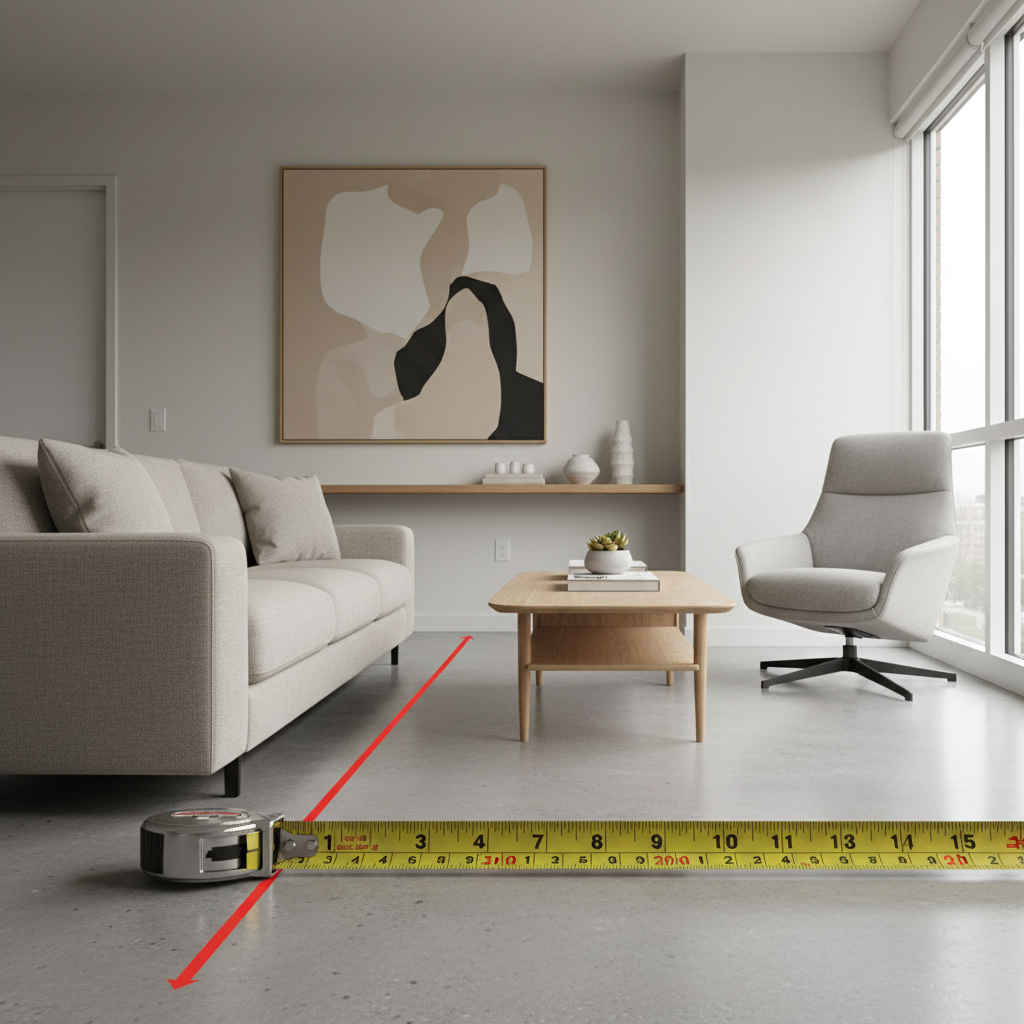
Below is a practical guide to choosing a space-friendly recliner, what specs to prioritize, and which popular types tend to work best in apartments, condos, and tighter family rooms. I’ll also point out the mistakes that waste the most money, because returning furniture is its own kind of pain.
What “small-space recliner” really means (and why listings confuse people)
Retailers often label anything under a certain width as “small,” but width alone rarely tells the full story. A recliner that’s 30 inches wide can still eat your room once it’s fully extended.
Here are the measurements that actually decide fit:
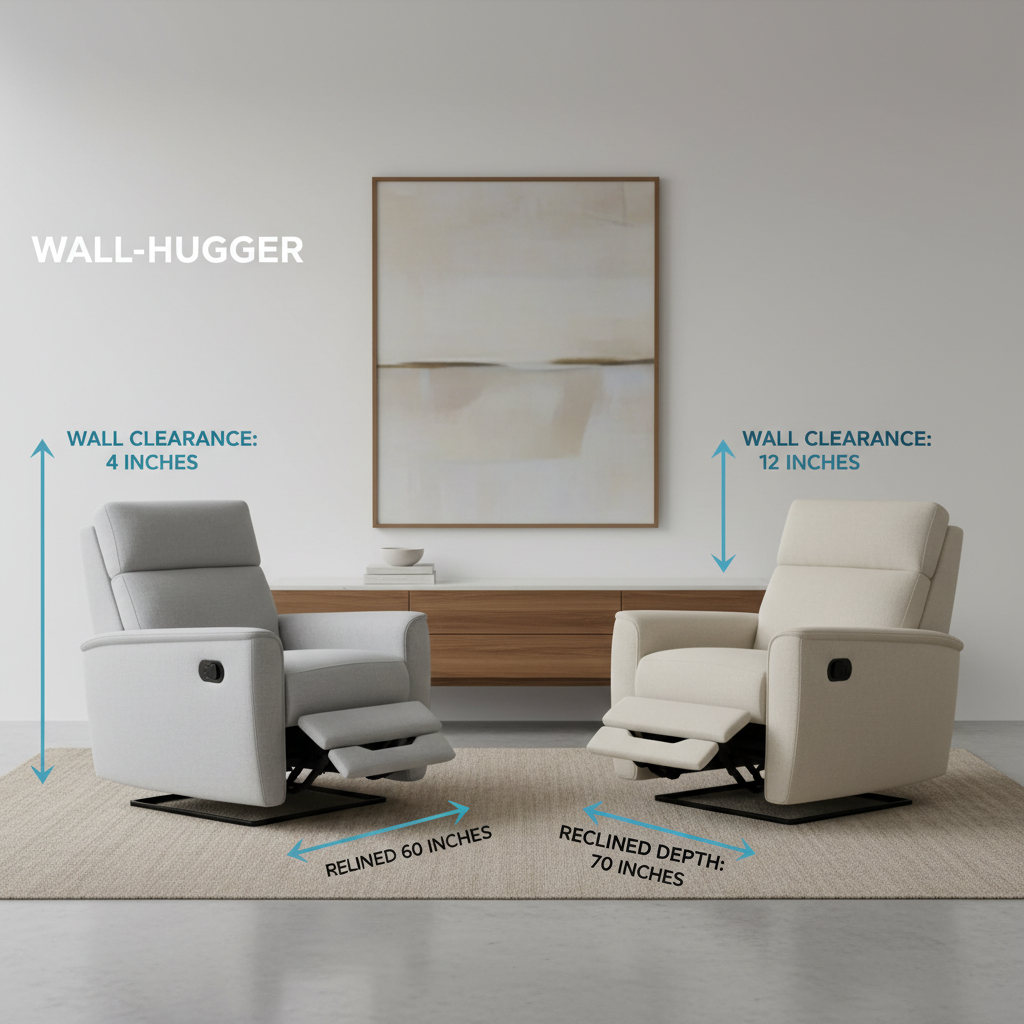
- Wall clearance: how far the chair must sit from the wall to recline. Traditional push-back recliners often need more room; wall-huggers usually need less.
- Reclined depth: front-to-back length once the footrest is out. This is the number that blocks coffee tables and walkways.
- Seat height and seat depth: comfort and ergonomics, especially if you’re shorter/taller or have knee/hip issues.
- Path of motion: does it glide, swivel, rock, or just recline. Movement adds “clearance zones.”
According to the Federal Trade Commission (FTC), shoppers should be cautious with marketing terms and focus on the specific attributes that affect purchase decisions, in furniture that usually means verified dimensions and return terms, not just a category label.
Quick self-check: are you actually a good candidate for a recliner?
Some rooms can take a recliner easily, some will fight you every step. Use this quick checklist before you fall in love with a style.
- Walkway test: can you keep ~24–36 inches for a main walking path even when the chair reclines partially?
- TV distance: will the reclined position push you too close to the screen, or into an awkward angle?
- Door and drawer swing: check nearby doors, media consoles, and cabinet drawers.
- Shared space reality: does someone else need to pass behind it often, like to a kitchen or hallway?
- Noise and timing: power recliners can be smoother, but you’ll need an outlet and you may hear the motor in very quiet rooms.
If you answer “no” to walkway or swing-clearance items, you still might make it work, but you’ll want a wall-hugger, a slimmer recliner, or a different placement strategy.
Types of compact recliners that usually work in small spaces
When people search for the best small recliners for small spaces, they’re often mixing up “small footprint” with “small when reclined.” These designs behave differently.
Wall-hugger recliners (space-savers)
These are built so the seat slides forward as the back reclines, reducing the distance needed from the wall. They’re a common win for apartments.
- Good for: chairs placed near a wall, tighter living rooms
- Watch for: still-check reclined depth, some models extend far forward
Push-back recliners (manual, simple)
No lever, no motor, usually fewer parts. They can feel lighter visually, but many need more wall clearance than you expect.
- Good for: minimal look, budget-friendly setups
- Watch for: clearance behind the chair, effort needed to recline
Swivel/rocker recliners (comfort, but clearance matters)
These are popular for nurseries and lounging, but the motion can bump into side tables or walls.
- Good for: reading corners, multi-use relaxation seating
- Watch for: side clearance for the swivel radius
Armless or slim-arm recliners
Not for everyone, but if width is your biggest constraint, slim arms (or no arms) can buy you a surprising amount of space without feeling like a “kids chair.”
A practical buying rubric (what to prioritize in the specs)
Here’s the short version: size comes first, then comfort fit, then durability details. Fancy add-ons are nice, but they don’t fix a chair that blocks your room.
- Reclined depth: compare it to the distance from your wall to your coffee table edge, not the center of the room.
- Required wall clearance: especially important if you plan to park it near a wall.
- Seat height: if you struggle getting up from low seats, favor a slightly higher seat. If you’re shorter, too high can feel like your feet dangle.
- Seat width: comfort and layering blankets, but don’t sacrifice walkway width.
- Upholstery reality: performance fabric and tightly woven polyester blends are often easier in small homes with pets or frequent use; leather can be great but varies widely by grade and finish.
- Mechanism: manual is simpler; power is convenient, but confirm outlet placement and cord routing.
Key point: if a listing doesn’t clearly show reclined depth and wall clearance, treat it as incomplete and ask before buying, especially for final-sale items.
Size and feature comparison table (use this to narrow options)
Exact dimensions vary by brand, but the ranges below help you filter quickly when browsing. When you see a model outside these ranges, pause and re-check fit.
| Recliner type | Typical width | Wall clearance needed | Best for small spaces when… | Main tradeoff |
|---|---|---|---|---|
| Wall-hugger | 28–34 in | ~2–6 in (varies) | You must keep it close to a wall | Can extend far forward when reclined |
| Push-back manual | 28–36 in | ~8–18 in (varies) | You have rear clearance and want a cleaner look | More effort to recline, less precision |
| Swivel/rocker recliner | 30–38 in | Moderate | You have side clearance for movement | Needs extra “bubble” around it |
| Power recliner (compact) | 29–36 in | Often similar to wall-hugger designs | You want easier reclining in a tight spot | Needs power access, more parts to maintain |
Real-world placement tips (so the recliner fits without making the room feel tight)
Most people try to force a recliner into the “obvious” open spot, and then wonder why the room feels clogged. Small spaces need a little strategy.
- Float it slightly: even 2–4 inches off the wall can improve airflow and reduce scuffing, as long as you still meet clearance needs.
- Skip bulky side tables: swap in a C-table or a slim drink table so the chair can move without collisions.
- Use an ottoman for the “almost recline” feel: if full recline is rarely used, a compact accent chair plus ottoman sometimes beats a recliner.
- Angle placement can help: a slight angle can protect walkway space and make the chair feel intentional, not jammed in.
According to the Americans with Disabilities Act (ADA) guidance on accessible routes, wider clearances are often recommended in public settings; at home you can be more flexible, but keeping reasonable walkway space still makes daily life smoother.
Step-by-step: how to measure before you buy (and avoid returns)
This is the “do it once, save yourself a headache” section. Measuring takes 10 minutes, and it’s what separates a smart buy from a frustrating one.
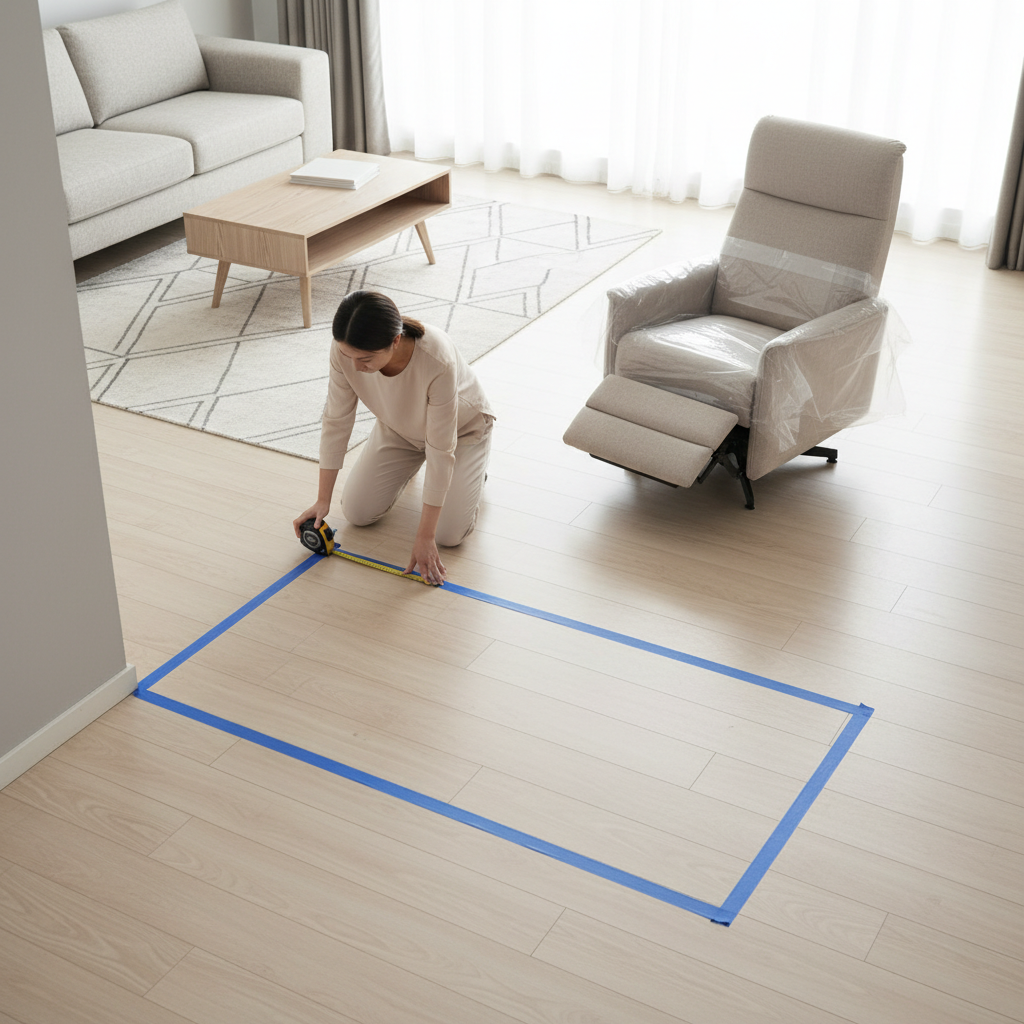
- Step 1: Mark the chair’s base: use painter’s tape to outline the width and upright depth from the spec sheet.
- Step 2: Add reclined depth: extend tape forward to match the listed reclined depth. If it’s not listed, ask customer support or pick another model.
- Step 3: Add the clearance zone: for swivel/rockers, add side space; for wall-huggers, confirm rear clearance.
- Step 4: Simulate real use: open nearby drawers, walk through the path to the kitchen, sit where your feet would land.
- Step 5: Check delivery constraints: measure doorways, stairs, and turns. A compact recliner still might arrive in a large box.
If you’re buying a power model, also plan where the cord runs so it doesn’t become a trip hazard, and if anyone in the home has mobility concerns, it can be worth asking a qualified professional for layout advice.
Common mistakes when shopping for compact recliners
- Shopping by width only: reclined depth causes most “it doesn’t fit” surprises.
- Ignoring seat fit: a chair can fit the room but not your body, and discomfort shows up fast with recliners.
- Overpaying for features you won’t use: heat, massage, USB, storage arms are nice, but they don’t beat solid cushioning and a reliable mechanism.
- Not reading return terms: furniture returns can be expensive, and some items are final sale even when the listing looks flexible.
- Forgetting the “open footrest” moment: if you have kids, pets, or tight traffic lanes, that footrest becomes a daily obstacle.
If you’re trying to find the best small recliners for small spaces and every option feels like a compromise, that’s normal. The trick is choosing which compromise you can live with: less recline, fewer features, or a slightly different room layout.
Conclusion: how to pick the right compact recliner for your home
The most reliable path is simple: measure for reclined depth and clearance first, choose a recliner type that matches your layout, then confirm seat fit and fabric practicality. When those pieces line up, even a small apartment can handle a comfortable recline without turning the living room into an obstacle course.
If you want an easy next step, pick two or three candidates, tape out their reclined footprints on the floor, then choose the one that leaves the cleanest walkway while still feeling good to sit in, that small test beats guessing every time.