
best ceramic cookware sets non toxic is a phrase people search when they want a safer pan without playing chemistry roulette every time they cook dinner. The tricky part is that “ceramic” can mean different coatings, different bases, and very different durability.
If you’ve ever bought a “nonstick” set that started sticking fast, or you’ve wondered whether a coating is actually safe once it scratches, you’re not overthinking it, cookware marketing can be vague on purpose. The good news is you can shop smarter with a few concrete checks.
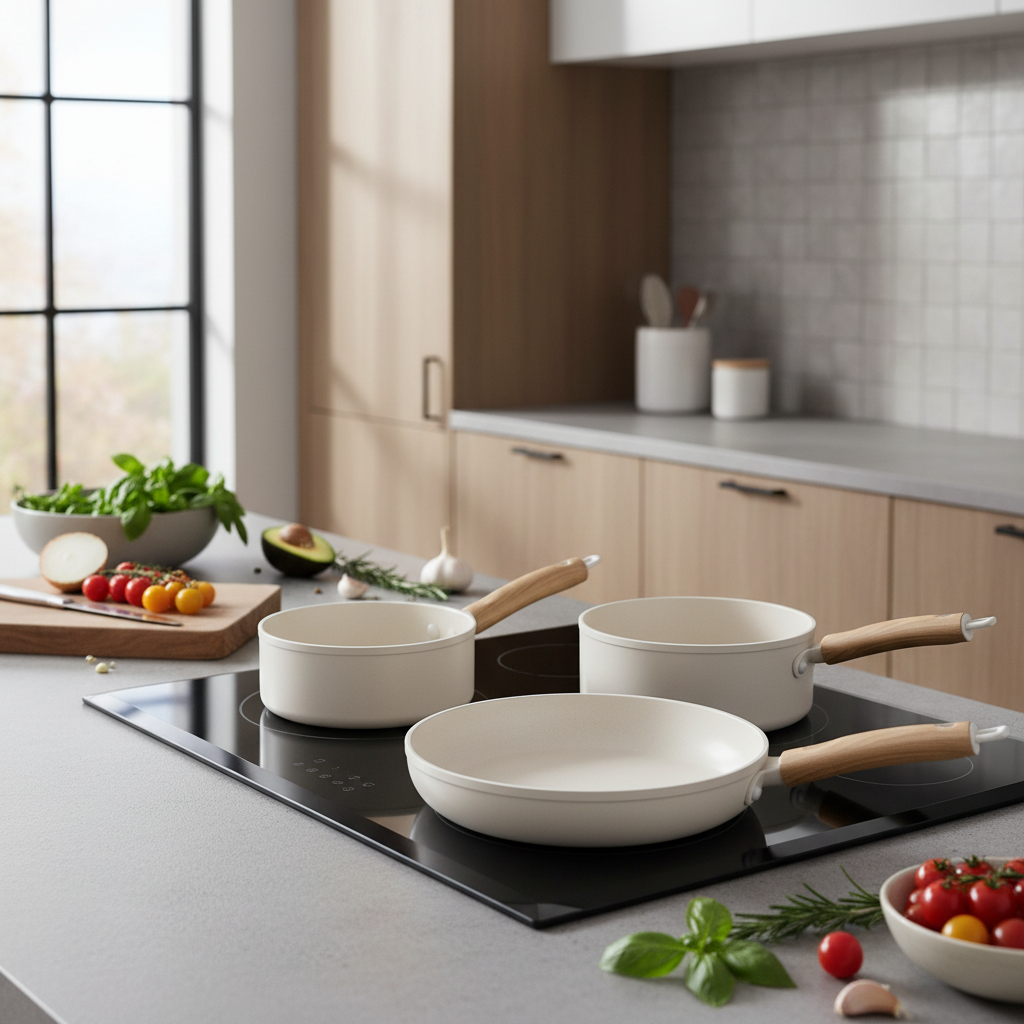
Below is a practical 2026 buying guide, not a hype list. We’ll cover what “non-toxic” usually implies in the U.S., how to spot red flags in listings, what matters for performance, and how to keep ceramic-coated pans working longer.
What “non-toxic” usually means for ceramic cookware (and what it doesn’t)
In everyday shopping language, “non-toxic” ceramic cookware typically means the nonstick surface is made without certain chemicals that shoppers want to avoid, and that the brand is transparent about materials and testing. It does not automatically mean “risk-free in every scenario,” especially if a pan is overheated, abused, or used far past its lifespan.
According to the U.S. Food & Drug Administration (FDA), food-contact materials are regulated, and manufacturers are responsible for compliance, but the FDA does not “approve” most consumer cookware in the way people imagine. Practically, you still want clear disclosures and reputable manufacturing.
- Common shopper expectation: no PFAS in the coating, and no intentionally added lead/cadmium in glaze or coatings.
- Reality check: you still need to confirm claims, because “PFOA-free” alone is outdated and narrow.
- Another nuance: “ceramic-coated” (sol-gel) differs from “100% ceramic” (fully ceramic body). They cook differently and wear differently.
Ceramic-coated vs. 100% ceramic: which one are you actually buying?
This is where many listings get fuzzy. Most “ceramic nonstick” sets sold in the U.S. are metal pans with a ceramic-based coating. Fully ceramic cookware exists too, but it’s less common in mainstream “nonstick set” formats.
Ceramic-coated (most common)
- Build: aluminum or stainless base + ceramic-like nonstick coating.
- Strengths: easy release when new, lighter weight, usually PFAS-free claims.
- Trade-off: coating lifespan depends heavily on heat and utensils.
100% ceramic (fully ceramic body)
- Build: ceramic body, sometimes with a glazed surface.
- Strengths: no polymer-style nonstick layer, good for some baking/oven use.
- Trade-off: can chip or crack, and “nonstick” performance varies a lot by product.
If your priority is an everyday skillet that stays slick, ceramic-coated tends to match expectations better. If your priority is minimizing coatings entirely, fully ceramic might appeal, but you’ll want to be realistic about cooking technique.
Red flags and green flags when shopping in 2026
The fastest way to narrow down the best ceramic cookware sets non toxic options is to scan for signals of transparency. When brands hide basics like coating type or country of origin, that’s usually not a great sign.
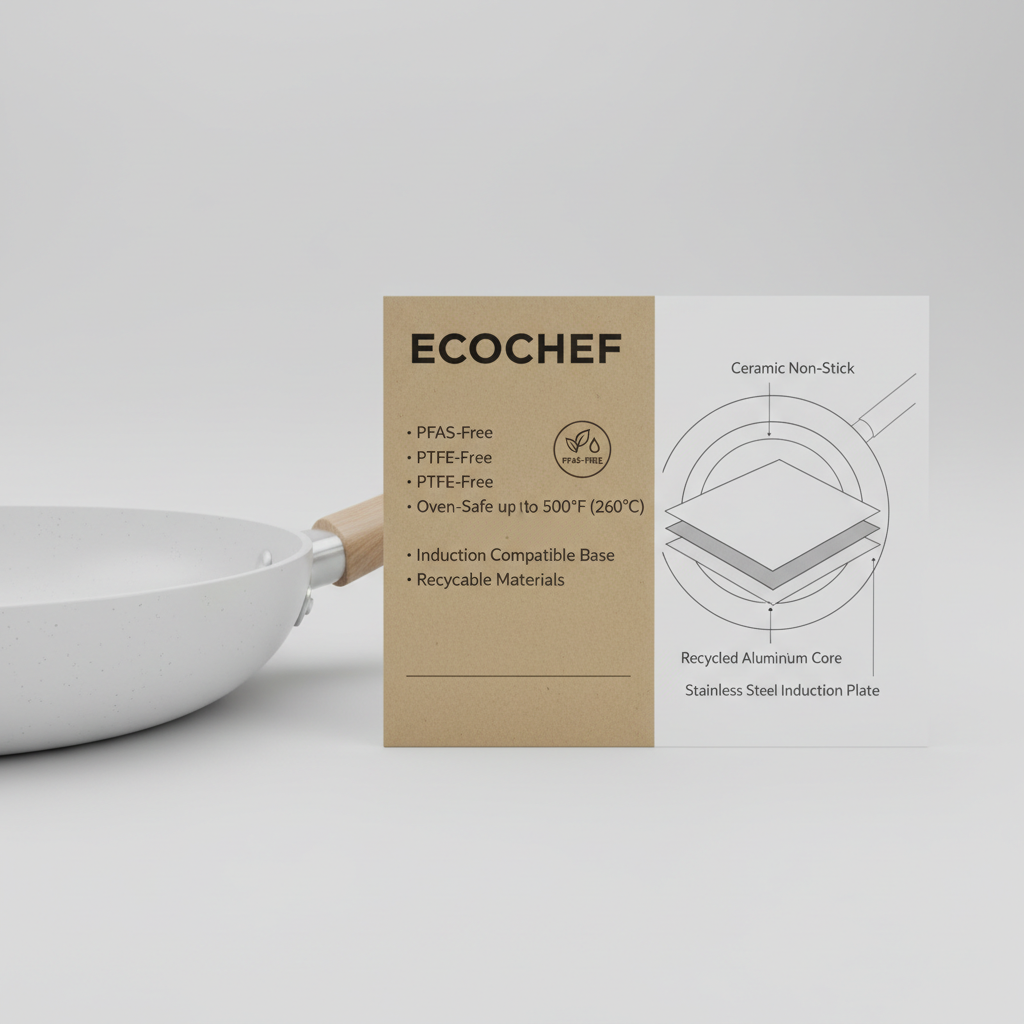
Green flags (worth paying attention to)
- Clear “PFAS-free” statement (not only “PFOA-free”).
- Specific coating description (sol-gel ceramic, ceramic-reinforced, etc.), plus care instructions that match ceramic reality.
- Third-party testing disclosures for heavy metals (even if the result is a simple pass/fail statement).
- Realistic oven-safe temps and clarity on whether lids/handles share that rating.
- Warranty terms that don’t read like they’re designed to deny every claim.
Red flags (common in weak listings)
- “Non-toxic” with zero detail, no mention of PFAS/PTFE, no materials page.
- Overpromising durability like “never scratches” or “lifetime nonstick.” Ceramic coatings usually wear.
- Confusing language that mixes “granite,” “stone,” “ceramic,” and “titanium” without explaining what is coating vs. marketing name.
- Unknown seller bundles with mismatched photos, missing model numbers, or no official brand site support.
Quick comparison table: what to look for in a non-toxic ceramic set
Use this as a shortcut while you’re browsing. The goal is not perfection, it’s reducing surprises after the box arrives.
| What you’re checking | Why it matters | What “good” often looks like |
|---|---|---|
| Coating claim | Avoids narrow marketing | PFAS-free (and clear materials page) |
| Base material | Heat control, warping, weight | Thicker aluminum or multi-ply stainless base |
| Stovetop compatibility | Induction needs magnetic base | Explicit “induction compatible” + tested models |
| Oven-safe rating | Real cooking use, not just marketing | Handles/lids clearly rated, not vague |
| Care guidance | Predicts longevity | Low/medium heat, hand-wash recommended |
| Replacement strategy | Nonstick isn’t forever | Single-pan replacement available, fair warranty |
A self-check checklist: which set style fits your kitchen?
Before you pick a cart, decide what “best” means for your household. A lot of regret comes from buying a full set when you only needed two pans, or buying light ceramic for high-heat searing.
- If you cook eggs, pancakes, delicate fish often: prioritize a high-quality ceramic-coated skillet, and keep it for low/medium heat.
- If you sear steaks or use high BTU burners: consider mixing cookware (stainless or cast iron for sear, ceramic for low-stick tasks).
- If you use induction: confirm magnetic base; many “ceramic” sets are not induction-ready.
- If you hate hand-washing: be cautious, dishwashers can shorten coating life in many cases even when “dishwasher safe” appears on the box.
- If you want one set for everything: look for balanced pieces: 10–12" skillet, 2–3 qt saucepan, 5–6 qt stockpot, plus a sauté pan.
How to choose the best ceramic cookware set non toxic for your budget
Price doesn’t guarantee safety, but it often correlates with better QC, thicker bases, and clearer documentation. Here’s a realistic way to shop without getting lost in brand wars.
Under ~$150: focus on one or two hero pans
- Buy a smaller set or open stock pieces.
- Look for straightforward PFAS-free disclosure and sensible heat limits.
- Avoid huge bundles with many “filler” pieces you won’t use.
$150–$350: look for sturdier construction
- Heavier base tends to cook more evenly and warp less.
- Better handle ergonomics and lids that fit well start to show up.
- This is often the sweet spot for most households.
$350+: you’re paying for design, materials transparency, and warranty
- More brands publish deeper materials info and care guidance.
- Still, expect ceramic nonstick to be a “wear item.” Plan to replace the most-used skillet eventually.
Make ceramic last longer: practical care that actually helps
Most complaints about ceramic “dying” come back to heat and abrasion. If you treat ceramic-coated pans like cast iron or restaurant carbon steel, they usually disappoint.
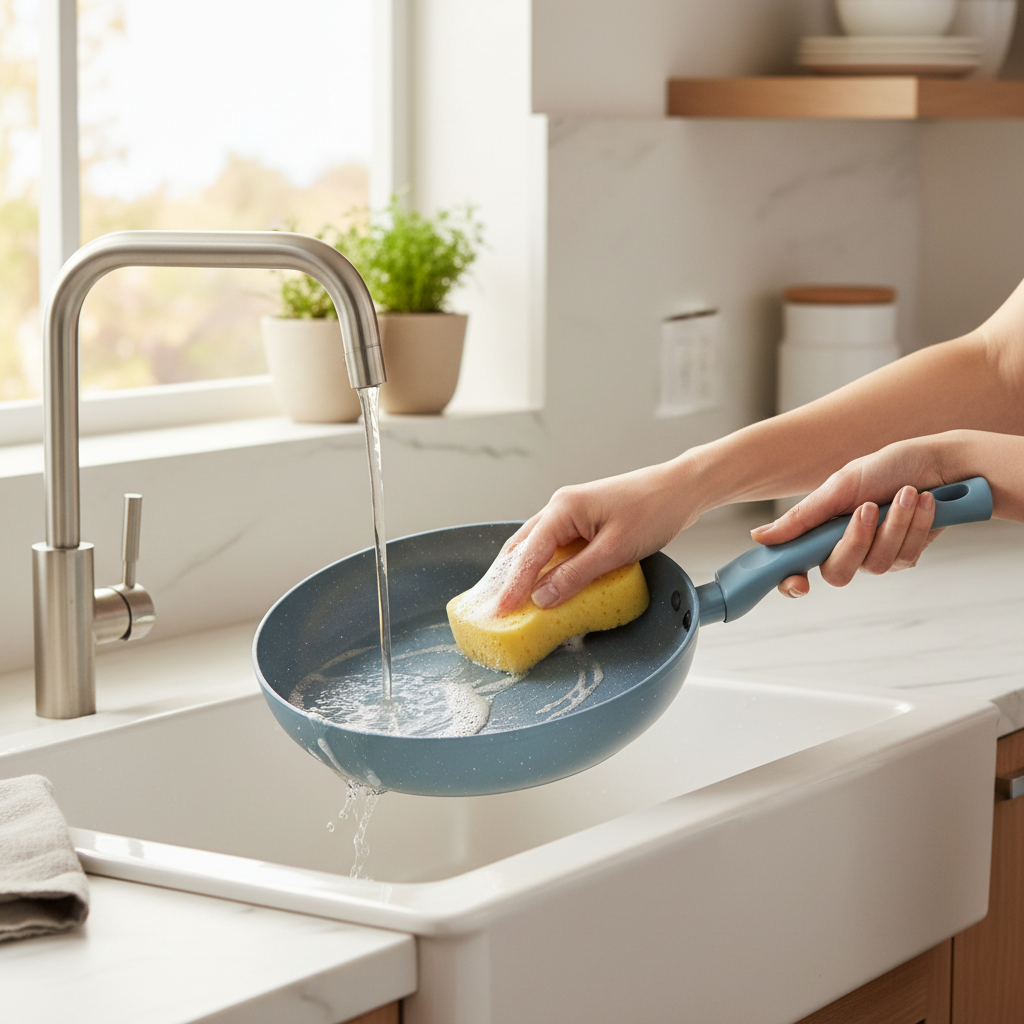
- Cook on low to medium most of the time; high heat can degrade performance faster.
- Preheat briefly, then add oil; don’t dry-heat an empty pan for long.
- Use silicone, wood, or nylon tools; metal utensils can create micro-scratches.
- Hand-wash when you can; if you use a dishwasher, avoid harsh detergents and high-heat drying.
- Store with a pan protector or towel between pieces; stacking bare pans is a common coating killer.
According to the U.S. Environmental Protection Agency (EPA), PFAS are a class of chemicals with growing regulatory attention. If PFAS avoidance is your main reason for switching, stick with brands that explicitly state PFAS-free rather than relying on older “PFOA-free” language.
Common misconceptions (the stuff that wastes your money)
- “Ceramic is automatically safer than all other nonstick.” Many ceramic coatings are marketed as PFAS-free, but safety also depends on how it’s made and used, plus whether a pan is overheated or damaged.
- “If it scratches, it’s immediately dangerous.” Minor surface wear is common; if you see flaking, deep gouges, or persistent sticking, replacement is usually the sensible move. If you’re concerned about exposure, consider asking a healthcare professional for personalized advice.
- “A full set is always a better deal.” Often you pay for pieces you rarely touch, while your main skillet wears out first.
- “Dishwasher safe means dishwasher friendly.” Many products survive a dishwasher, but performance may decline faster.
Conclusion: a simple way to pick your 2026 set
If you want the best ceramic cookware sets non toxic for 2026, aim for clarity over hype: a PFAS-free claim you can verify, a solid base that matches your stove, and care rules you’ll realistically follow. For most kitchens, a small, well-chosen set plus one upgraded skillet beats an oversized bundle.
Action steps: shortlist 2–3 brands with transparent materials pages, confirm induction and oven limits, then buy the pieces you’ll use weekly. If you’re replacing old nonstick, plan ahead for how you’ll retire the most-used pan when it starts failing, that mindset alone saves money.
FAQ
What does “PFAS-free” mean on ceramic cookware listings?
It usually means the manufacturer claims the coating formula does not intentionally include PFAS chemicals. Because claims vary by brand, it’s smart to look for a materials page, customer support confirmation, or third-party testing language rather than relying on a badge alone.
Is ceramic cookware the same as PTFE-free cookware?
Often, ceramic-coated nonstick is marketed as PTFE-free, but you should confirm in the specs. Some listings use vague “nonstick” wording without naming the coating type, which is where mistakes happen.
Are ceramic-coated pans safe if they get scratched?
Light wear is common, but deep scratches, flaking, or peeling are good reasons to stop using that pan. If you have health concerns about a specific exposure situation, it’s reasonable to consult a medical professional for individualized guidance.
How long do ceramic nonstick pans typically last?
It depends on heat, utensils, washing habits, and how often you cook. Many households notice performance drop sooner when pans see high heat daily or frequent dishwasher cycles, while gentle use can extend usable life.
Can I use ceramic cookware on induction stoves?
Only if the pan has a magnetic induction-compatible base, which not all ceramic sets include. Look for explicit induction labeling and double-check the exact model, not just the brand name.
What’s the safest utensil type for ceramic nonstick?
Silicone, wood, and non-metal nylon tools are typically the easiest on coatings. Metal utensils can accelerate micro-scratching, which often shows up later as sticking.
Should I buy a full ceramic set or individual pieces?
If you know you’ll use most pieces weekly, a set can be convenient. If you mainly need a skillet and a saucepan, buying those individually often gets you better quality for the money and fewer unused pans in the cabinet.
If you’re trying to replace aging nonstick without turning your kitchen into a research project, start with one ceramic skillet plus the pot size you use most, live with them for a couple weeks, then expand into a set once you’re confident the material and care routine fit your cooking style.