
how to get rid of smell in washing machine usually comes down to one thing: removing the hidden buildup that sits in the drum, gasket, pump filter, or detergent drawer, then changing a couple habits so it doesn’t return.
If your washer smells “musty,” “sewery,” or like sour towels, you’re not being picky, odors often transfer to clothes, and in many homes the machine ends up getting rewashed more than it should. The good news, most smell problems are fixable with a methodical clean, not a full replacement.
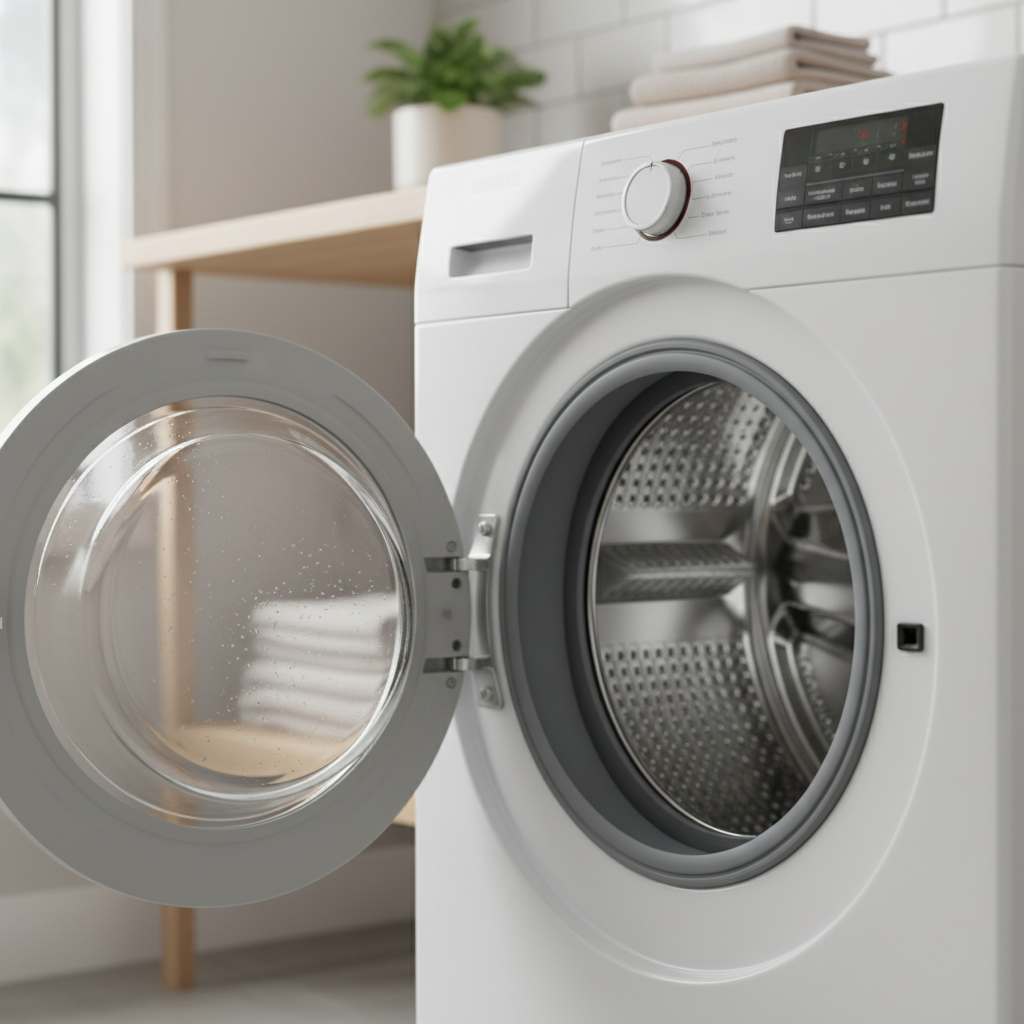
Below is a practical way to diagnose where the odor lives, clean the right spots (not just the drum), and set up a simple routine that keeps the washer smelling normal. I’ll also flag situations where a plumber or appliance tech makes more sense.
Why washing machines start to smell (it’s not just “dirty water”)
Washer odor is usually a mix of moisture + leftover soil + biofilm. Biofilm is a slimy layer of microbes that can form on damp surfaces, and it loves low-oxygen, always-wet pockets like gaskets and hoses.
- Too much detergent or too much softener: excess product can leave a waxy film that traps grime and odors, especially in cold washes.
- Frequent cold or quick cycles: they save energy, but often don’t dissolve oils and residues as well in many households.
- Door closed between loads: trapped humidity keeps surfaces wet for hours, sometimes days.
- Front-load gaskets and hidden channels: folds hold water, lint, hair, and small items, and the smell concentrates there.
- Clogged pump filter or slow drain: stagnant water and trapped debris can create a “sewer” note.
- Wrong install or venting issues: less common, but a poorly routed drain hose or plumbing trap problems can push odors back toward the machine.
According to the U.S. Environmental Protection Agency (EPA), moisture control is a key step to prevent mold growth indoors, and that principle applies to laundry equipment too: if it stays wet, it tends to smell.
Quick self-check: what does the smell tell you?
Before you start pouring cleaners, take two minutes to pinpoint where the odor comes from. It saves time and avoids “cleaning the wrong thing really hard.”
| Smell / Symptom | Most likely source | Best first move |
|---|---|---|
| Musty, damp basement | Door gasket, drum residue, detergent drawer | Deep-clean gasket + hot cleaning cycle |
| Sewery or rotten | Pump filter, standing water, drain hose | Clean filter, check drain + run sanitize cycle |
| Sour towels even after washing | Too much detergent, cold washes, overloaded drum | Cut detergent, use warm/hot, smaller loads |
| Smell is strongest when opening door | Trapped humidity | Air out, wipe moisture, leave door ajar |
Key point: if the smell is only on clothes but the washer itself seems fine, it can still be the machine, but it can also be towel mildew, long “wet time” in the hamper, or under-drying.
Deep clean, step by step (front-load and top-load)
how to get rid of smell in washing machine works best as a “clean the parts + clean the system” approach. Plan 30–60 minutes of hands-on time, plus a cycle or two running in the background.
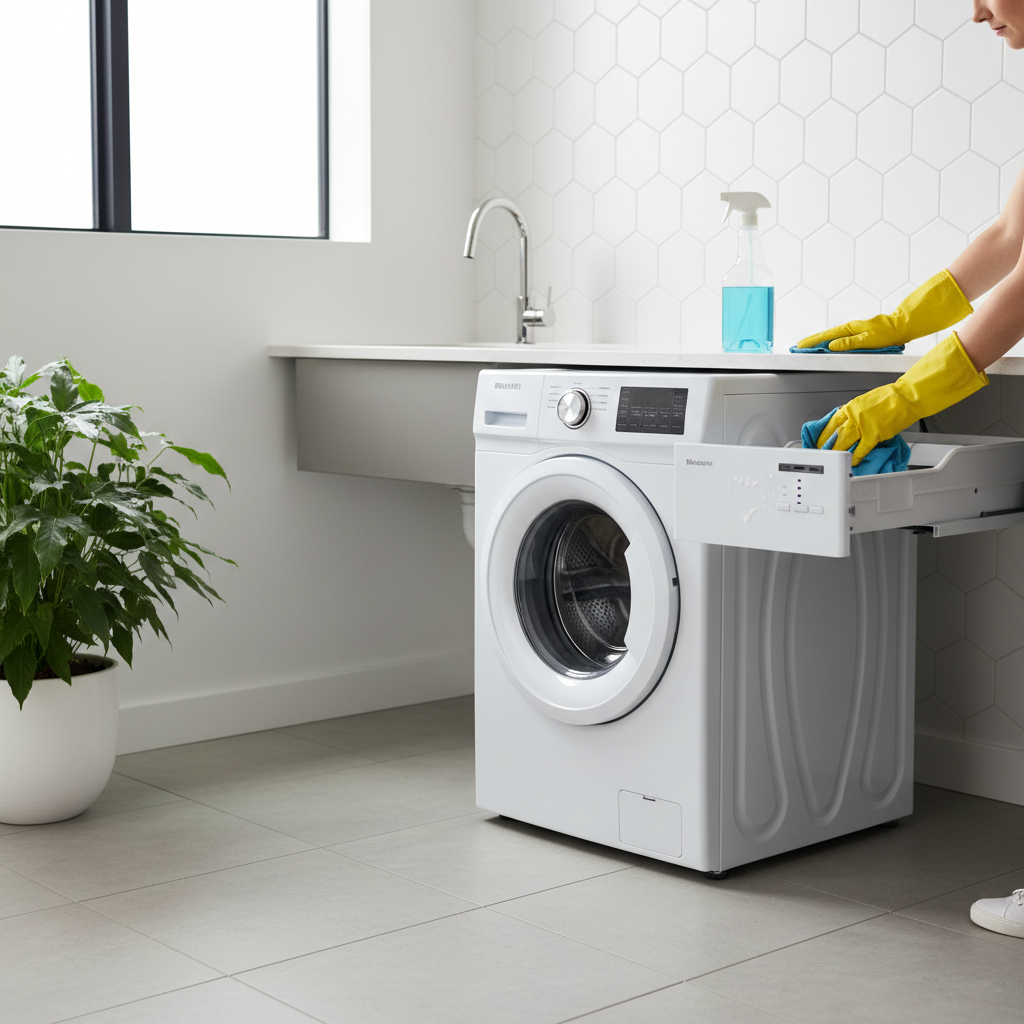
1) Clean the gasket (front-load) or rim area (top-load)
Open the door and inspect the rubber folds. If you see slime, hair, coins, or dark specks, that’s your smell reservoir.
- Wipe with a microfiber cloth and warm soapy water.
- For stubborn residue, use a small soft brush to reach into folds.
- Dry the gasket after cleaning, this matters more than people think.
If you choose to use bleach, follow the washer manual and ventilation guidance on the label, and never mix bleach with vinegar or other acids because it can create harmful fumes.
2) Remove and rinse the detergent drawer
Detergent and softener compartments often grow a sticky film. Pull the drawer out (most have a release tab), rinse with hot water, then scrub the corners where gel buildup hides.
- Wipe the drawer cavity inside the machine too, residue sits back there as well.
- Switch to HE detergent if your washer requires it, non-HE formulas can over-suds and leave more buildup.
3) Clean the pump filter (common “sewer smell” trigger)
Many front-loaders have a small access door near the bottom front. Inside is a filter that catches lint, hair, and small items. When it clogs, water can stagnate.
- Unplug the machine if your manual recommends it.
- Put a shallow pan and towels down, some water often drains out.
- Remove debris, rinse the filter, wipe the housing, reinstall snugly.
If your model doesn’t have a user-accessible filter, don’t force panels off, check the manual first.
4) Run a hot cleaning cycle the right way
Use the washer’s “Clean Washer,” “Tub Clean,” or “Sanitize” cycle if available. Use hot water, no laundry inside, and one cleaning method at a time.
- Option A: manufacturer-recommended washer cleaner (often the simplest).
- Option B: chlorine bleach if your manual allows it, measure carefully.
- Option C: oxygen bleach (like sodium percarbonate products) can help with odors for many users and is generally less harsh than chlorine bleach.
According to the CDC, bleach can be used for disinfection when diluted and used properly, but it must be handled with good ventilation and label directions. In laundry machines, always prioritize what your manufacturer says, because materials and sensors vary.
5) Finish with a rinse, then dry-out
After the cleaning cycle, run an extra rinse if your machine allows it, then wipe the door area and leave the door ajar for a few hours. This “dry-out” step often decides whether the smell returns next week.
Habit fixes that keep the smell from coming back
Once the machine is clean, preventing odor is mostly about moisture control and product dosing. This is where many people slip, because the washer looks clean so the routine feels optional.
- Leave the door and detergent drawer slightly open between loads, airflow beats fragrance every time.
- Use less detergent than you think, many modern HE detergents are concentrated, and overdosing is a common cause of buildup.
- Skip routine fabric softener if odors are a recurring issue, it can leave a coating that traps smells. If you love softness, try dryer balls or occasional vinegar in the rinse only if your manual permits it.
- Don’t let wet laundry sit in the drum for hours, that “forgotten load” smell can re-seed the washer.
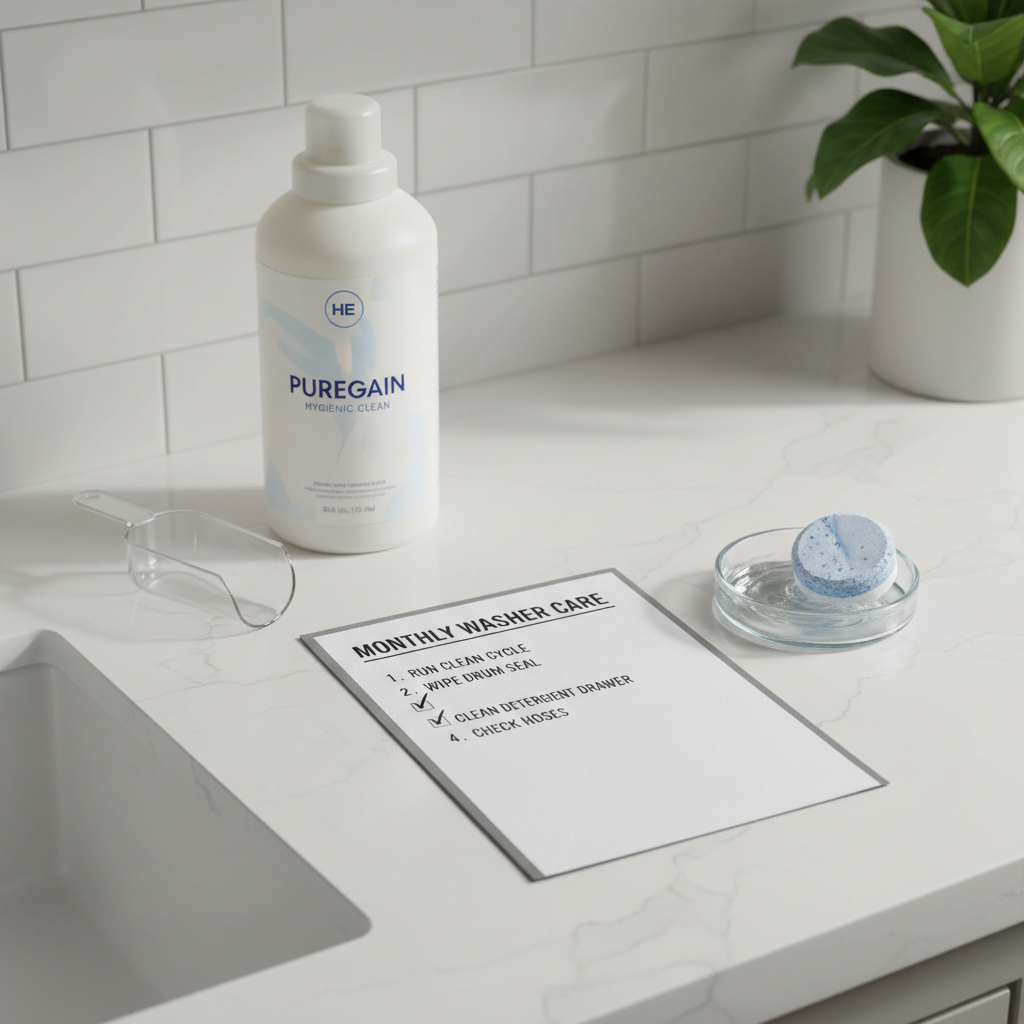
- Run a monthly cleaning cycle (more often if you do lots of cold washes, pet bedding, or athletic gear).
Quick takeaway: how to get rid of smell in washing machine is not a one-time scrub, it’s a clean reset plus a few small changes that keep residue from rebuilding.
Common mistakes that waste time (or make odors worse)
Some “popular” fixes help in certain situations, but others create a cycle of temporary masking.
- Using more detergent to “wash it cleaner”: this often increases film and smell over time.
- Only running a hot cycle, never cleaning the gasket/filter: the worst odor source can stay untouched.
- Relying on scented beads to cover odors: fragrance can stack on top of musty notes, and clothes still come out questionable.
- Mixing cleaners: bleach plus vinegar or other acids can release chlorine gas, stick to one product path per cycle.
- Ignoring water hardness: hard water can encourage mineral plus detergent buildup, in that case a descaler approved for washers may help.
When the smell signals a bigger problem
Most odors are maintenance issues, but a few red flags suggest plumbing, drainage, or mechanical trouble where DIY gets murky.
- Persistent sewer smell even after cleaning the filter and running a sanitize cycle, could be a drain hose issue, standpipe problem, or a plumbing vent/trap concern.
- Visible mold growth you can’t remove around internal components or heavy buildup behind panels, an appliance tech may be safer.
- Water pooling, slow draining, or error codes, these can indicate a clog or pump issue.
- Strong chemical smell or burning odor, stop using the machine and consider professional inspection.
If anyone in the household has asthma or significant mold sensitivity, it’s reasonable to be more cautious and consult a qualified professional for persistent issues, because exposure responses vary.
Practical “do this today” plan (15 minutes + one cycle)
If you want a simple starting point without overthinking it, this sequence covers the most common causes.
- Wipe gasket and door area, remove any trapped debris.
- Rinse and scrub the detergent drawer.
- Clean the pump filter if accessible.
- Run the washer’s cleaning cycle with a single approved cleaner.
- After the cycle, wipe moisture and leave door ajar.
Key points to remember:
- Odor usually lives in hidden parts, not the drum surface you can see.
- Overdetergent is a frequent culprit, especially with cold washes.
- Drying the machine matters, airflow prevents the next round of stink.
Conclusion: a clean washer should smell like… nothing
how to get rid of smell in washing machine is mostly a targeted clean plus moisture control, once you hit the gasket, drawer, and filter, then run a proper hot clean cycle, the “mystery smell” usually fades fast. After that, leave the door cracked, measure detergent, and run a monthly tub clean so the problem stays solved instead of looping back.
If you want one action today, clean the gasket and pump filter, then run the machine’s cleaning cycle. That combo fixes more cases than any scented workaround.