
Best waterproof picnic blanket for outdoor use usually comes down to one thing: can it keep you dry on damp grass without turning into a hassle to carry, clean, or keep in place. Most people don’t regret buying a picnic blanket, they regret buying one that soaks through, bunches up in wind, or becomes a sand magnet at the beach.
If you’re shopping from the U.S., you’ll notice blankets labeled “water-resistant,” “waterproof,” “sandproof,” “outdoor,” “camping,” and more. Some of those terms are meaningful, some are marketing. This guide helps you sort the useful specs from the noise, so you can choose a blanket that fits how you actually picnic: park lawns, lakesides, beaches, concerts, kids’ games, or camping trips.
I’ll cover what “waterproof” should mean in real use, a quick self-check to match blanket features to your outings, a comparison table of common builds, and a short buying checklist you can screenshot.
What “waterproof” really means for picnic blankets
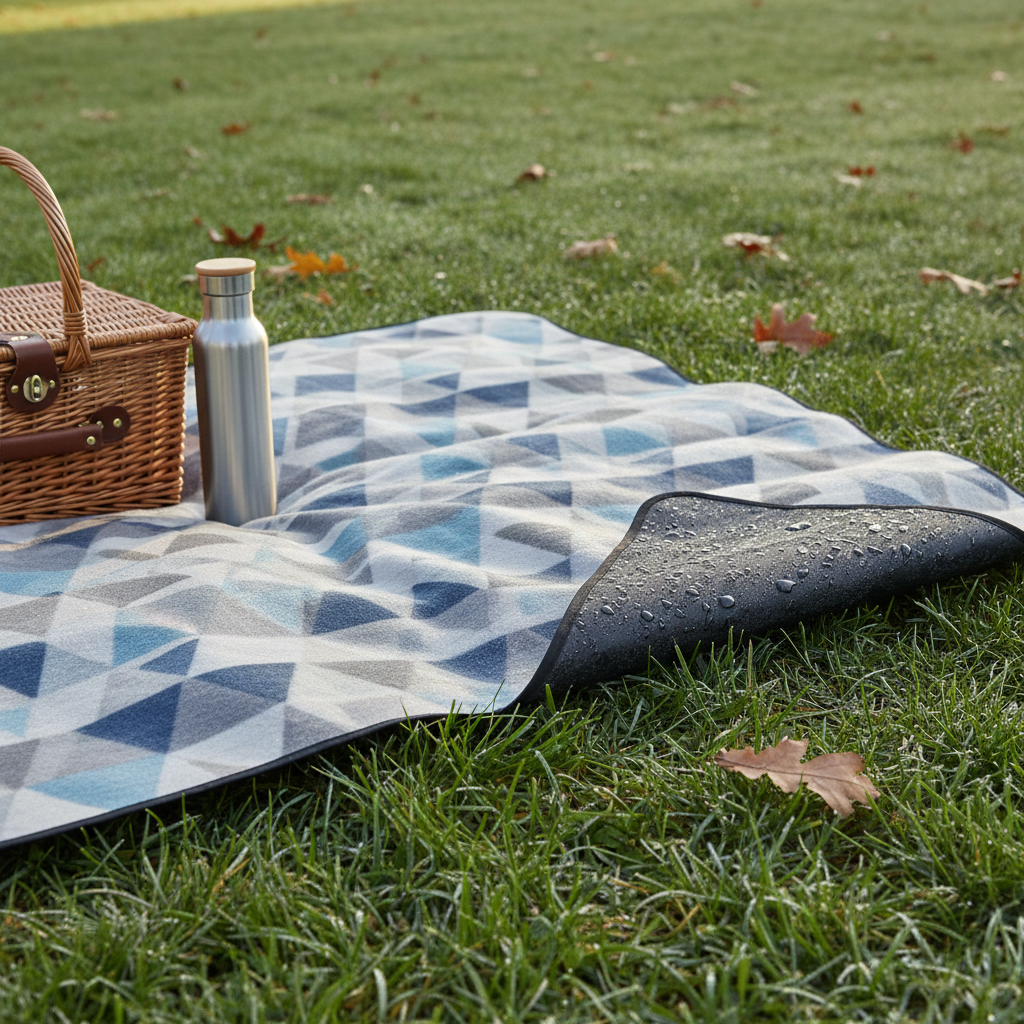
For a blanket, “waterproof” isn’t about surviving a storm, it’s about blocking ground moisture long enough that you don’t stand up with a wet backside. In practice, the backing material and seams matter more than a flashy product name.
- Waterproof backing: Usually PEVA, TPU, PVC, or coated polyester. TPU and coated polyester often feel less “plastic-y,” while PVC can be very tough but sometimes heavier.
- Edge binding and seams: Moisture can creep in at stitching holes or unsealed edges. This is where “waterproof” claims sometimes get soft.
- Top fabric: Fleece feels cozy for parks, but can hold moisture and pick up debris. Ripstop/polyester tops clean easier and dry faster, but feel less plush.
According to the U.S. Consumer Product Safety Commission (CPSC), outdoor products should be used according to manufacturer instructions and warnings, especially around children and flammability risk near grills or fire pits. It’s not a blanket-specific rule, but it’s a good reminder to check the care label and safety notes.
Quick self-check: what kind of outdoor use do you have?
Before you pick “the best waterproof picnic blanket for outdoor use,” decide which annoyances you refuse to deal with. A blanket that’s perfect at the beach can be mediocre at a windy concert lawn.
Pick your primary scenario
- Park grass (often damp): Prioritize waterproof backing + comfortable top layer.
- Beach (sand + salt): Prioritize sand-shedding surface + fast shake-out + corner pockets or stakes.
- Sports sidelines: Prioritize quick fold, compact carry, and stain resistance.
- Camping add-on: Prioritize durability, puncture resistance, and easy wipe clean.
Then answer these in 30 seconds
- Do you sit on wet grass more than once a month?
- Do you often picnic with kids or pets (spills, muddy paws)?
- Will you carry it more than 10 minutes on foot?
- Do you need wind control (corner weights, stakes, sand pockets)?
If you answered “yes” to wet grass and spills, your best bet is a wipeable backing, stain-tolerant top, and a fold system you’ll actually use.
Comparison table: common waterproof picnic blanket builds
Most blankets fall into a few “build types.” None is universally best; each trades comfort for packability or easy cleaning.
| Build type | Feels like | Best for | Watch-outs |
|---|---|---|---|
| Fleece top + waterproof backing | Soft, cozy | Parks, family picnics | Can hold crumbs and moisture; slower drying |
| Polyester/ripstop top + TPU backing | Smooth, technical | Mixed use, travel, quick clean | Less “blanket” comfort on bare legs |
| All-in-one outdoor mat (thin) | Mat-like, minimal padding | Hiking, concerts, ultralight carry | Less insulation from cold ground |
| Quilted top + waterproof base | More cushion | Long sits, kids play area | Bulkier; can trap sand in stitching |
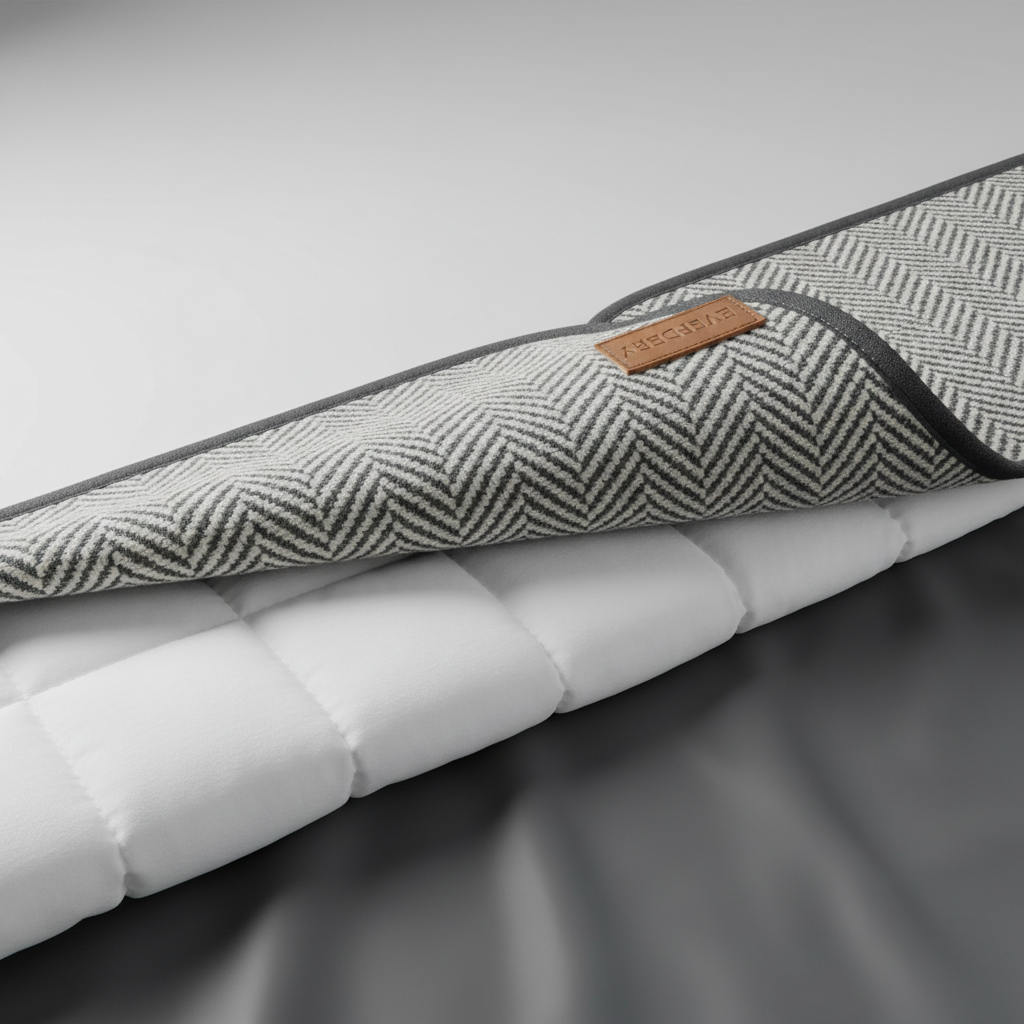
If your priority is “stay dry on surprise-wet lawns,” a fleece-top blanket with a reliable backing works well, as long as it folds compactly enough that you don’t leave it at home.
What to look for (and what to ignore) when shopping
Here are the specs that usually matter in real outdoor use, plus a few common distractions.
Key specs worth caring about
- Backing material: Look for PEVA/TPU/coated polyester descriptions, and confirm it’s meant to sit on damp ground.
- Size that matches your group: Two adults often need more room than expected once you add a cooler bag.
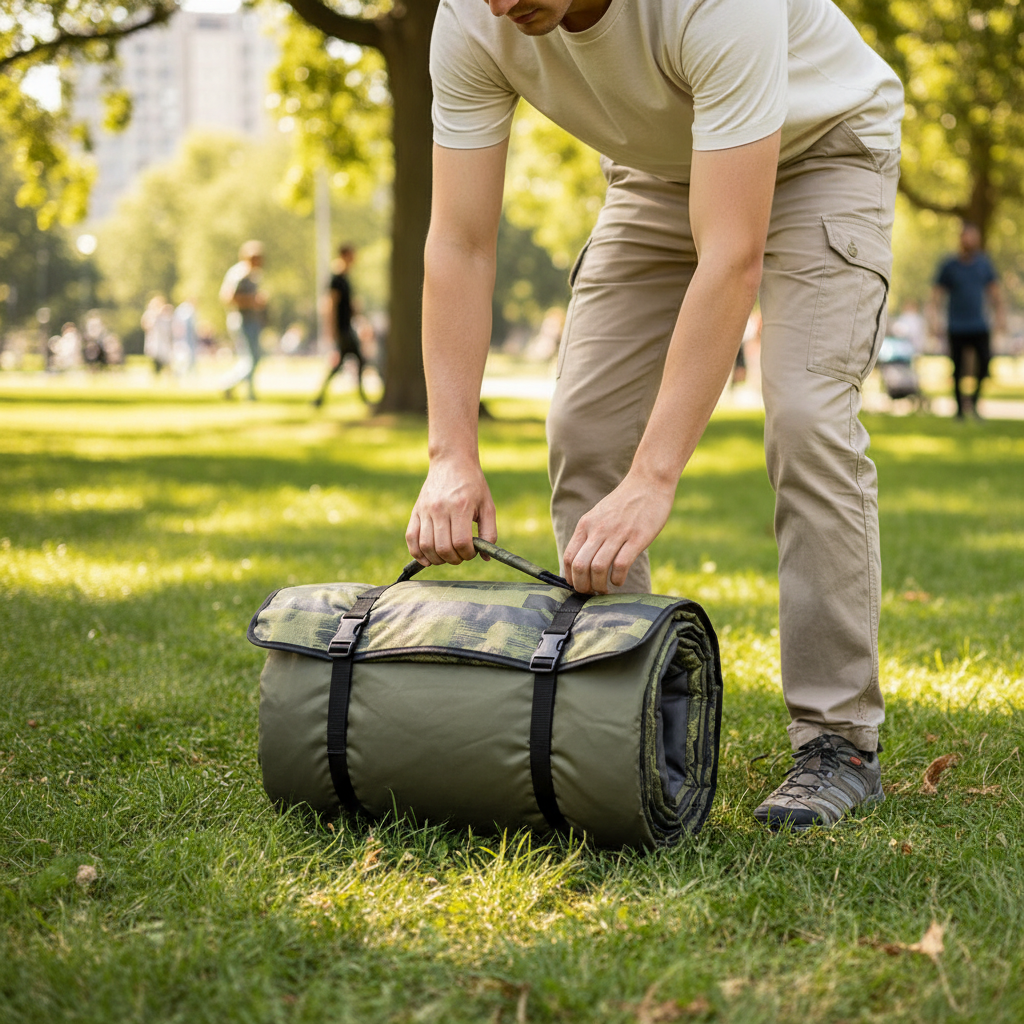
- Fold/strap system: Handles, Velcro straps, or a roll with a buckle. If it’s annoying, you’ll stop bringing it.
- Anchor features: Corner pockets, stake loops, or weighted corners for wind.
- Cleaning method: “Machine washable” vs “wipe clean.” Either can be fine, but know what you prefer.
Stuff that often gets overhyped
- “100% sandproof”: Many fabrics still hold fine sand in stitching or fleece.
- Extra-thick padding: Comfort goes up, but so does bulk. For many outings, moderate padding is the sweet spot.
- Waterproof on top: A slick top can feel clammy. Most people want waterproof under, comfortable on top.
How to choose the right blanket by scenario (simple steps)
If you want a practical way to buy the best waterproof picnic blanket for outdoor use, use this decision path. It’s not fancy, but it prevents the most common mismatches.
Scenario A: damp grass + family picnics
- Choose a soft top (fleece or quilted).
- Confirm a continuous waterproof backing (not just “resistant”).
- Pick a size that fits people + food zone, then go one size up if kids will sprawl.
Scenario B: beach days and windy spots
- Choose a sand-shedding top (polyester/ripstop).
- Get sand pockets or stake loops, wind is what ruins beach setups.
- Avoid high-pile fleece unless you enjoy brushing sand for 10 minutes.
Scenario C: concerts, festivals, sports sidelines
- Prioritize fast fold + carry handle, you’ll pack up in a hurry.
- Pick darker colors or patterns if stains bother you.
- Moderate waterproofing is fine, but backing should still block damp ground.
According to Leave No Trace Center for Outdoor Ethics, planning ahead and disposing of waste properly are key principles for minimizing impact outdoors. A blanket that cleans easily makes it simpler to pack out crumbs and keep the area tidy.
Real-world use tips: keep it dry, clean, and not annoying
A good blanket can still perform poorly if you use it in the most frustrating way possible. These are small habits, but they add up.
- Shake before folding, then fold with the dirty side inward so your car stays cleaner.
- Air-dry at home if it sat on damp ground, mildew smell tends to show up later.
- Use a small groundsheet under the blanket if you’re camping on sharp gravel, punctures happen.
- Bring a tiny brush for beaches if you choose a softer top, it saves time.
Key takeaway: waterproof backing protects you from the ground, but drying and storage protect the blanket from smelling “off” after a few weekends.
Common mistakes (the ones that cause most returns)
These show up again and again when people complain their “waterproof” blanket failed.
- Buying too small: Two adults fit, until you add a bag, shoes, and a toddler who wants the middle.
- Assuming waterproof means puncture-proof: Thin backing can tear on sticks or gravel.
- Ignoring wind control: A great blanket without anchors can be miserable in breezy parks.
- Machine-washing when it’s “wipe clean”: Some backings can crack or delaminate over time, follow the care tag.
If you’re using your blanket near a grill, fire pit, or camp stove, treat it like any fabric product: keep distance, watch sparks, and follow local park rules. If you need safety guidance for a specific setup, it’s reasonable to check the venue or manufacturer notes.
Conclusion: picking the best option without overthinking
The best waterproof picnic blanket for outdoor use is the one that matches your most common outing, not your most ambitious one. If you mostly sit on damp grass, buy for comfort plus a reliable waterproof backing. If you’re mostly at the beach, buy for wind control and easy sand release.
If you only do one thing today, make it this: confirm the backing material and pick a size you won’t outgrow. Those two choices prevent most of the frustration people run into later.
FAQ
What is the difference between water-resistant and waterproof for a picnic blanket?
Water-resistant often means it can handle light moisture for a short time, while waterproof backing should block damp ground more consistently. In real use, seams and edge binding still matter.
Is a fleece-top blanket a bad idea for outdoor use?
Not necessarily. Fleece feels great on park lawns, but it can hold sand, crumbs, and moisture. If you picnic on beaches often, a smoother top is usually easier.
How big should a picnic blanket be for two adults and a toddler?
Many families find “two-person” sizes feel tight once bags and snacks are on the blanket. If you want room to sprawl, sizing up is usually the safer bet.
Can I machine-wash a waterproof picnic blanket?
Some are machine-washable, some are meant to be wiped clean only. Check the care label because certain waterproof backings can wear faster with frequent hot washes or high heat drying.
What features help in windy parks or beaches?
Stake loops, sand pockets, or weighted corners keep the blanket from flipping. If you routinely deal with wind, these features can matter more than extra padding.
Do I need a thick padded blanket for comfort?
It depends on how long you sit and how hard the ground is. Thick padding feels nicer but gets bulky; for many casual outings, moderate padding is a more practical compromise.
How do I stop a picnic blanket from getting mildew smell?
Dry it fully after damp use, even if it “seems fine.” Leaving it folded in a trunk for a day or two is a common way odors start.
If you’re trying to choose a blanket quickly, focus on your primary setting and your biggest annoyance, wet grass, sand, wind, or carrying comfort. If you want a more streamlined option, look for models that combine a proven waterproof backing with a carry system you’ll actually use week after week.