
Best space saving dining tables for small spaces are the ones that match how you actually eat at home, not just what looks compact in a product photo. If you live in a studio, a small apartment, or a narrow dining nook, the wrong table can turn every meal into a squeeze, or worse, become a permanent laundry station.
The good news, space-saving tables have improved a lot, there are smarter extension leaves, sturdier folding mechanisms, and designs that tuck into corners without feeling like a compromise. The tricky part is choosing the right style for your layout and your habits, two people who cook daily need a different setup than someone who hosts once a month.
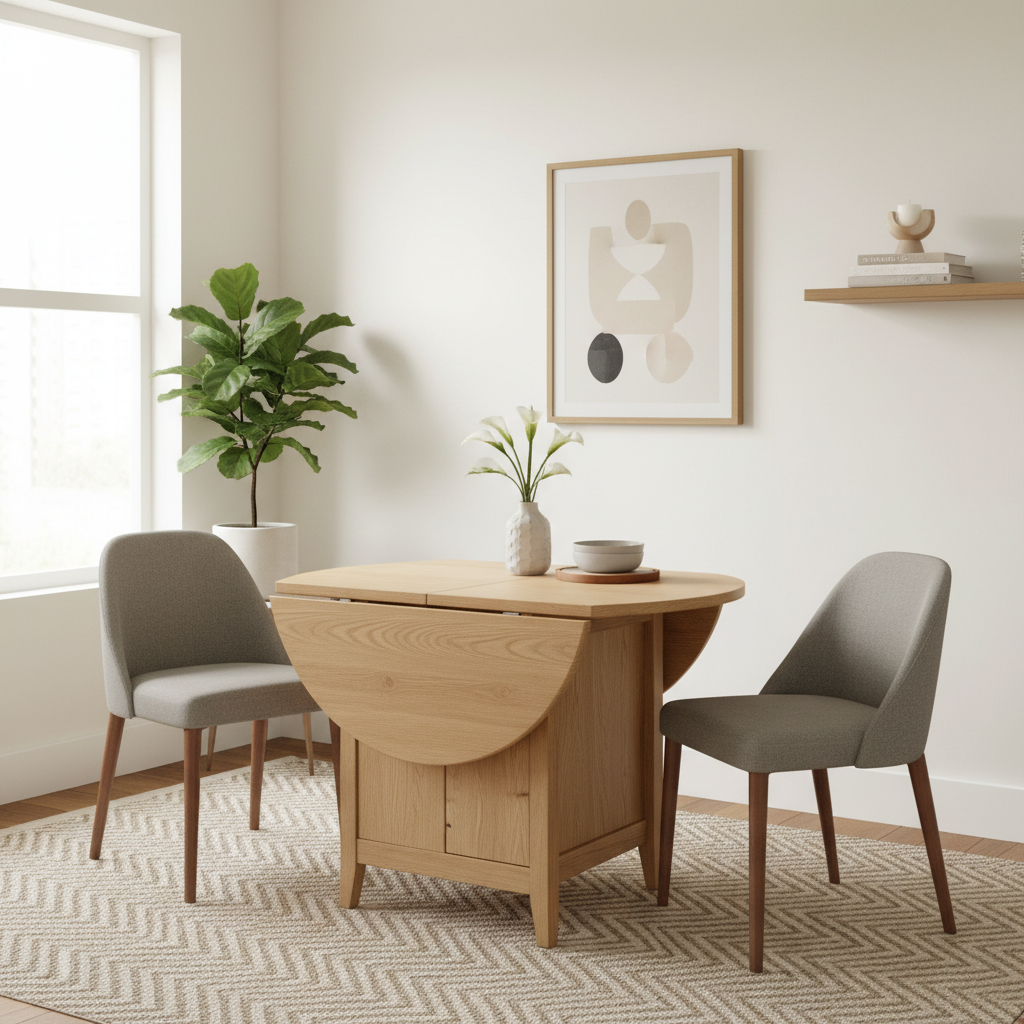
This guide breaks down what tends to work in real small spaces, how to measure without fooling yourself, and which features matter when you need flexibility. You’ll also find a quick comparison table and a short checklist to avoid the most common “fits on paper, fails in life” mistakes.
What makes a dining table truly “space-saving”
A table is space-saving when it reduces the walking and sitting clearance you need day to day, while still letting you use it comfortably when you need it. Many people focus on tabletop size only, then discover the chairs and pathways are what actually steal the room.
- Small footprint: narrower depth, shorter length, or a shape that hugs a wall.
- Flexible capacity: expands when needed, shrinks when you’re done.
- Easy stow: folds, drops, nests, or stores chairs underneath.
- Comfortable clearance: your knees fit, chairs slide, and you can still open nearby doors.
According to ADA (Americans with Disabilities Act) guidance often referenced for circulation planning, clear floor space and turning room strongly affect comfort and usability, even if you’re not designing for accessibility. In plain terms, leaving enough room to move matters as much as the table itself.
Quick comparison: best table types for small spaces
If you’re scanning options, start here. This is a practical “what it’s good for” view, not marketing language.
| Type | Best for | Trade-offs | What to check before buying |
|---|---|---|---|
| Drop-leaf | Everyday small footprint, occasional extra seating | Leaf supports can wobble on cheaper models | Leaf support hardware, stability when one leaf is up |
| Extendable (butterfly/hidden leaf) | Clean look, regular hosting without bulky storage | Heavier, mechanisms vary in quality | Leaf alignment, extension track smoothness |
| Wall-mounted fold-down | Ultra-tight studios, multipurpose rooms | Install required, wall type matters | Stud location, weight rating, hinge quality |
| Round pedestal | Tight walkways, fewer sharp corners | Seats fewer in small diameters | Pedestal base size, wobble on uneven floors |
| Console-to-dining transform | “Hidden table” that expands big for guests | Requires storage for leaves/benches | Where leaves live, setup time, total extended length |
| Counter-height bistro | Kitchen-adjacent eating, casual daily use | Not great for long dinners for some people | Stool tuck-in depth, comfort and stability |
Measure first, or you’ll buy the wrong table twice
Here’s the measuring approach that tends to save people from returns. You’re not measuring “empty room,” you’re measuring a room with humans moving through it.
Step-by-step measuring that actually holds up
- Mark the usable zone with painter’s tape, include baseboards and any radiator covers.
- Account for chair pull-out, a common rule of thumb is roughly 24–30 inches behind a seated diner for comfort, though real life varies by chair style and body size.
- Keep paths honest, if the table blocks your main walkway, it will annoy you daily.
- Check door and drawer swings, especially near kitchens, closets, and balconies.
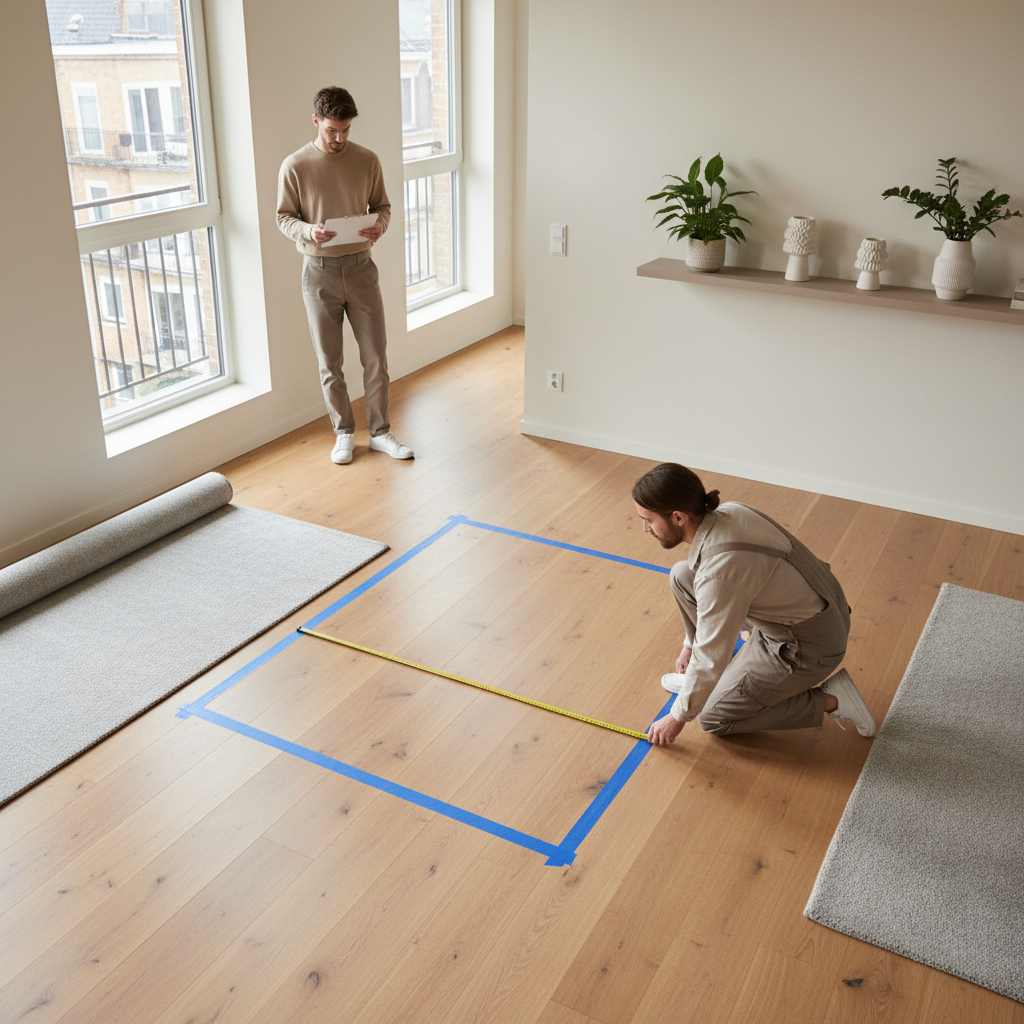
If you’re choosing best space saving dining tables for small spaces for a studio, pay extra attention to the “expanded” size. A table that fits when collapsed but blocks everything when open becomes a once-a-year feature, not a useful one.
Choose the right shape: rectangle vs round vs square
Shape is a layout decision, not a style decision. In small rooms, it changes traffic flow more than people expect.
- Rectangular: easiest to place against a wall or in a narrow room, often the best pick for “hallway-like” dining areas.
- Round: friendlier in tight corners and walkways, fewer hip bumps, but small rounds seat fewer comfortably.
- Square: works in compact nooks, but can feel cramped with four chairs unless the room is truly square.
One practical rule, if your dining spot is also a pass-through, round or oval often feels less stressful. If it’s a tucked-away nook, a slim rectangle tends to maximize usable surface.
Features that matter (and the ones that are mostly hype)
Not every “space-saving feature” saves space for you. These are the details that usually separate a clever table from a frustrating one.
Worth paying attention to
- Base design: pedestal or legs at corners change how chairs tuck in.
- Extension mechanism quality: tracks that bind or leaves that don’t align quickly become a daily irritation.
- Edge profile: rounded edges feel better in tight quarters and reduce bumping.
- Finish durability: in small homes, the dining table often doubles as desk, craft surface, and landing zone.
Often overpromised
- “Seats 6” claims: technically possible, practically tight, especially with armchairs.
- Ultra-thin tops: can look great but may flex, especially on budget folding designs.
- Hidden storage: useful when done well, but bulky bases can steal leg room.
Room-by-room picks: what tends to work in real homes
Instead of chasing a single “best” table, match the table to the room’s constraints. This is where best space saving dining tables for small spaces becomes a personal decision, not a ranking list.
Studio apartments
- Wall-mounted fold-down or a narrow drop-leaf against the wall.
- Consider armless chairs that fully tuck under the top.
- If you work at the table, choose a stable base over a super-light foldable.
Galley kitchens and skinny dining zones
- Rectangular table with slim depth, or a counter-height bar table.
- Bench seating on the wall side can reduce chair pull-out space.
Open-plan living room “dining corner”
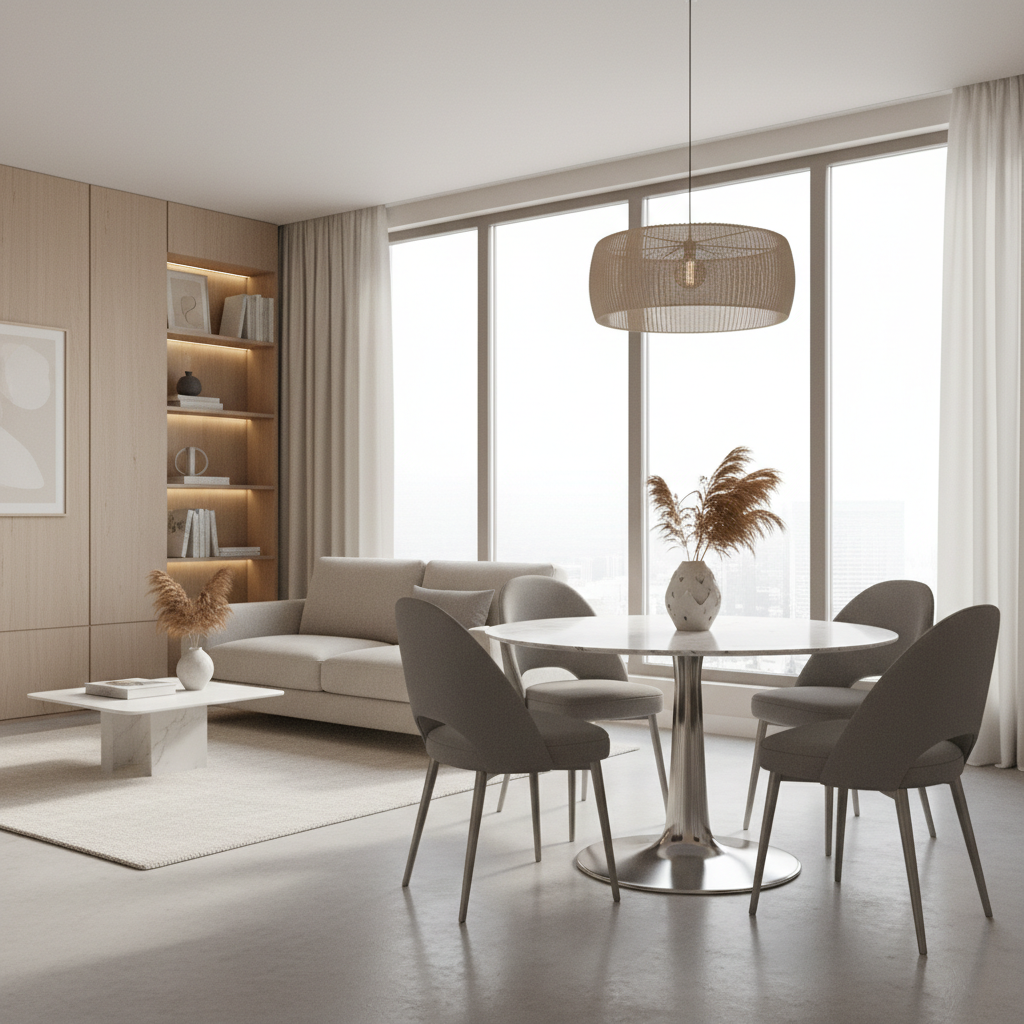
- Round pedestal table to soften traffic flow around sofa and kitchen paths.
- Extendable leaf if you host, but keep the collapsed size comfortable for daily life.
Practical setup tips that create space without buying a new table
Sometimes the table isn’t the whole problem. A few tweaks can make a “just okay” table feel like it was made for your room.
- Swap to slimmer chairs: armless, narrower frames, or even folding chairs stored in a closet for guests.
- Try a bench on one side: especially against a wall, it reduces the clearance you need.
- Use a rug carefully: too thick can catch chair legs and make the area feel tighter.
- Choose lighting that doesn’t crowd: a wall sconce or slim pendant keeps the corner from feeling cluttered.
- Protect the surface: placemats or a clear cover help when the table doubles as desk.
Key takeaways: measure with chair clearance, prioritize stability and daily comfort, and choose a shape that matches your traffic flow. That’s how you end up with one of the best space saving dining tables for small spaces that you’ll actually use.
Common mistakes to avoid (these waste money fast)
- Buying for guests, not for Tuesday night: if it’s awkward daily, you’ll resent it.
- Ignoring the base: a bulky pedestal or widely splayed legs can ruin knee space.
- Assuming “extendable” equals easy: if the leaf is heavy or fussy, you won’t extend it.
- Forgetting storage: console-to-dining systems need a real plan for leaf storage.
Also, if you’re considering wall-mounted options, installation matters. According to ICC (International Code Council) building codes and common residential standards, wall structure and fasteners affect load performance. If you’re not sure what’s behind your drywall, it’s reasonable to consult a qualified installer or contractor.
Conclusion: a small dining table should make life easier
The best picks feel almost boring in daily use, you sit down, chairs slide in, you can walk past without turning sideways, and when friends come over you can expand without a 20-minute setup. If you do two things this week, tape out the footprint with chair clearance, then decide whether you need flexibility more than surface area.
If you’re shopping online, save the dimensions that work for your room first, then filter options to match that reality. It’s a simple move, but it keeps you focused on fit, not just looks.
FAQ
What size dining table works best in a small apartment?
Many small apartments do well with a table around 24–36 inches deep and 36–48 inches long, but the “right” size depends on chair clearance and walkways. Measure the usable zone and test it with tape before committing.
Are round tables better than rectangular tables for small spaces?
Round tables often feel easier to walk around because there are no sharp corners, especially in pass-through areas. Rectangular tables usually win in narrow rooms or when you want to push one side against a wall.
Do drop-leaf tables stay stable over time?
They can, but stability varies by hardware and how the leaf is supported. Look for solid hinges, sturdy brackets, and reviews that mention wobble when one leaf is raised.
What’s the most practical extendable table mechanism?
Butterfly leaves and self-storing leaves are convenient because you don’t have to find a closet for the leaf. That said, check alignment and track smoothness, a good mechanism feels easy on day one and still feels easy months later.
Can I use a bar-height table as my main dining table?
Plenty of people do, especially in tight kitchens, but comfort can vary for longer meals or for households with kids. If possible, try the stool height and footrest position in person.
How many people can realistically sit at a small extendable table?
Marketing claims can be optimistic. In many cases, “seats 6” may mean six adults with minimal elbow room, especially if chairs have arms. Planning for comfortable seating usually leads to happier everyday use.
Is a wall-mounted fold-down table safe?
It can be safe when anchored correctly into studs or appropriate supports, and when you follow the manufacturer’s weight rating. If your wall type is unclear or the table will hold heavier loads, consulting a professional installer is a reasonable precaution.
What chairs pair best with space-saving dining tables?
Armless chairs with a slim profile and a seat height that fits the apron or underside of the table tend to tuck in best. If you need extra seating sometimes, consider two everyday chairs plus two folding chairs stored elsewhere.
If you’re trying to narrow down the best space saving dining tables for small spaces and feel stuck between “fits” and “comfortable,” bring your room measurements and a quick sketch of traffic paths, it’s often the fastest way to spot which table types will work without constant rearranging.