
boho style dining chair cushions for comfort are a simple way to make long dinners, homework sessions, and weekend brunches feel less like “endure the chair” and more like “stay for another cup of coffee.” If your dining set looks great but feels unforgiving, cushions can fix the comfort gap without replacing furniture.
What makes this worth dialing in is that “boho” isn’t one look, and “comfortable” isn’t one feel. Some people want plush softness, others need steady support that doesn’t bottom out, and plenty of households need cushions that survive spills, pets, and daily use.
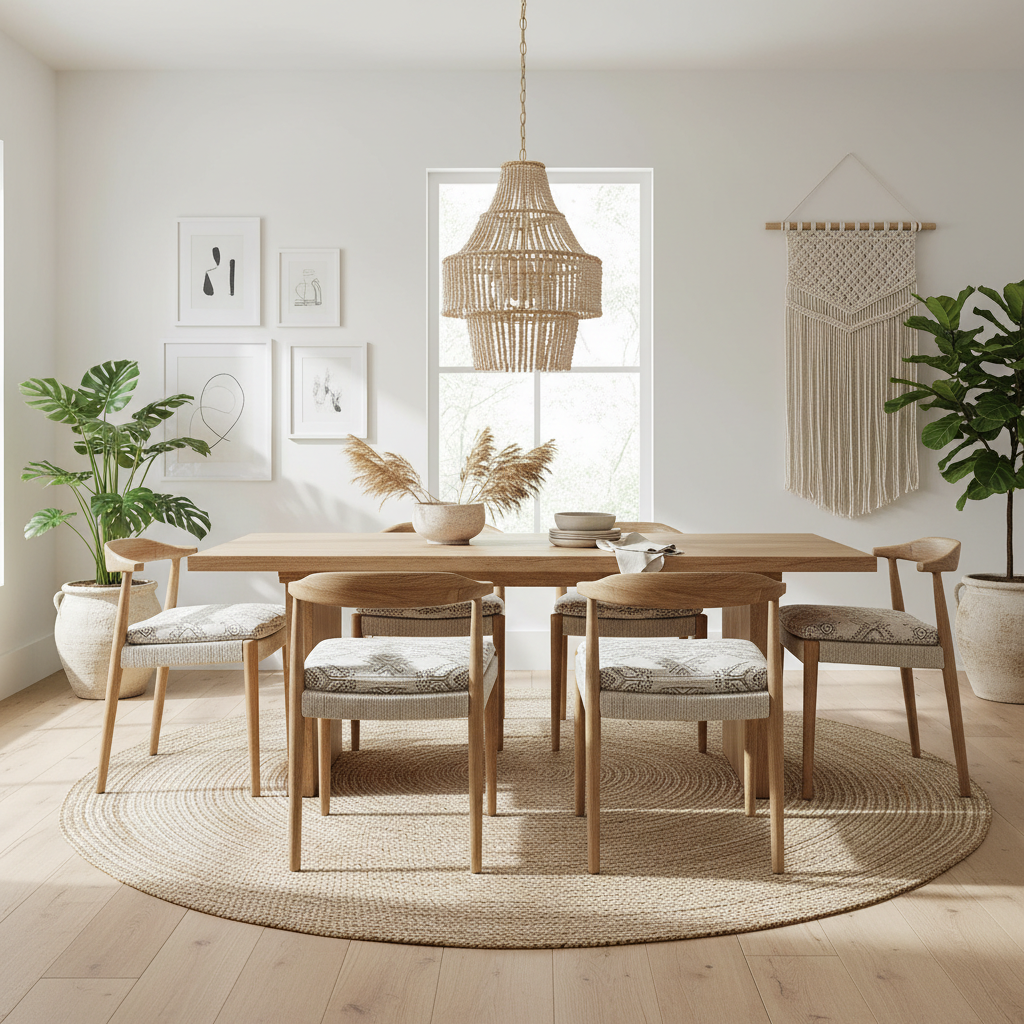
This guide helps you choose cushions that actually feel good, not just look cute in photos. We’ll cover what “comfort” means in cushion terms, how to match boho style to your space, and a quick decision checklist so you can buy once instead of re-buying.
What “Comfort” Really Means in Dining Chair Cushions
Comfort gets thrown around, but with dining chairs it usually comes down to three things: support, softness, and stability. You can get two easily, getting all three takes a bit of attention to materials and fit.
- Support (not bottoming out): A cushion should keep you slightly lifted from the hard seat after 30–60 minutes, not flatten to nothing.
- Softness (pressure relief): A bit of give reduces pressure on hips and tailbone, especially on flat wood seats.
- Stability (staying in place): If it slides, your body tenses to compensate, which defeats the point.
According to the American Chiropractic Association, good sitting posture and supportive seating can matter for back comfort over time. A cushion can’t “fix posture,” but it can make it easier to sit neutrally instead of bracing against a hard edge.
Boho Style, Without the “Theme Park” Look
Boho style can feel relaxed and collected, or it can look busy fast. Cushions are one of the easiest places to control that balance because they’re small, repeatable elements.
Easy boho cushion directions that work in real homes
- Natural textures: slub cotton, linen blends, woven look fabrics, subtle tufting.
- Warm neutrals: oatmeal, sand, clay, terracotta, muted olive.
- Global-inspired patterns (scaled down): small geometrics or simplified motifs read “boho” without overwhelming the table.
- Fringe and tassels (use sparingly): great for mood, but they catch crumbs and snag easily in high-traffic kitchens.
If you already have a statement rug or bold wall art, keep cushions quieter. If your dining area is plain, cushions can carry more pattern. That’s usually where boho looks intentional instead of random.
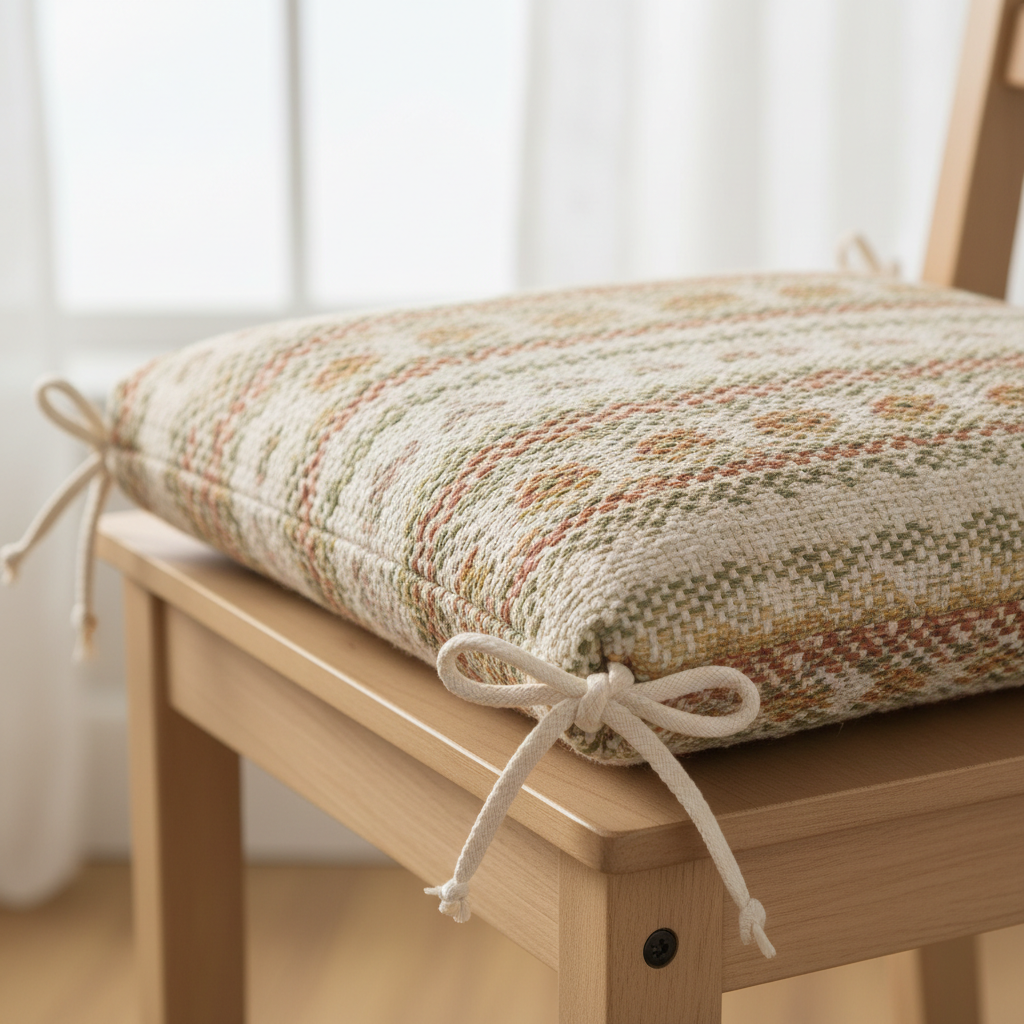
One more practical note: boho fabrics often lean textured, and texture can feel amazing, but it also traps crumbs. If your dining table doubles as a craft station, pick texture that’s easy to vacuum or wipe.
Materials That Feel Soft (and Still Hold Up)
Most cushion regret comes from two surprises: the fill flattens quickly, or the cover is annoying to clean. Here’s a realistic way to think about what you’re buying.
Fill options
- High-density foam: more supportive, tends to keep shape longer, great for longer sit times.
- Memory foam (or blends): softer “hug” feel, can retain heat, thickness matters a lot.
- Poly fiber fill: fluffy at first, often compresses faster, better for light use.
Cover options
- Cotton and cotton blends: breathable, boho-friendly texture, may stain if not treated.
- Performance fabrics: often easier to spot clean, some feel less “natural,” but practical.
- Removable covers: a quiet quality-of-life feature if you have kids, pets, or frequent guests.
For many households, the sweet spot is a supportive foam core with a woven cotton-blend cover that can be removed. That combo tends to deliver the “soft comfort” feel without turning into a pancake after a month.
Fit First: Thickness, Size, Shape, and Staying Put
Even the nicest cushion feels wrong if it doesn’t fit the chair. Before you shop, measure the seat width and depth, and check whether the seat is square, rounded, or slightly trapezoid.
- Thickness: around 1.5–2.5 inches often works for dining chairs; thicker can feel luxurious but may raise you too high at the table.
- Edge shape: rounded corners look cleaner on rounded seats and reduce overhang.
- Attachment: ties, grippers, or non-slip backing; ties are usually most reliable on slick wood.
- Seat height change: if your chair already sits high, keep cushions slimmer to avoid shoulder hunching.
Quick reality check: if your chair has a deep curve (saddle seat), a flat cushion may rock or bunch. In that case, thinner cushions or contoured styles typically behave better.
Quick Buying Checklist: Which Cushion Type Fits Your Life?
If you’re stuck between “pretty” and “practical,” use this quick sort. It’s not perfect, but it prevents the most common mismatches.
- You host long dinners: prioritize supportive foam and secure ties.
- Kids eat at the table daily: prioritize removable, washable covers and darker patterns.
- Small space dining nook: slimmer cushions reduce visual bulk and keep chairs sliding under the table.
- Pets jump on chairs: avoid loose fringe, choose tighter weaves that resist snagging.
- You want a softer, sink-in feel: consider memory foam blend, but check heat retention.
When people say they want boho style dining chair cushions for comfort, they often mean “I don’t want to think about them after I sit down.” That usually means stable fit and predictable support, not just extra fluff.
Comparison Table: Common Cushion Choices (Pros, Cons, Best For)
| Type | Comfort feel | Pros | Trade-offs | Best for |
|---|---|---|---|---|
| High-density foam | Supportive, steady | Keeps shape, good for long sits | Can feel firm if too thin | Daily dining, hosting |
| Memory foam | Softer, contouring | Pressure relief | May run warm, can feel “stuck” | Hard wood seats, sensitive hips |
| Fiber-fill tufted | Plush at first | Looks cozy, often affordable | Flattens faster | Light use, style refresh |
| Boxed edge, tie-on | Balanced | Stays put, tailored look | More seams to clean | Busy kitchens |
| Slip-on chair pads (grip backing) | Depends on fill | Quick on/off, cleaner look | Grip may wear over time | Minimalist boho rooms |
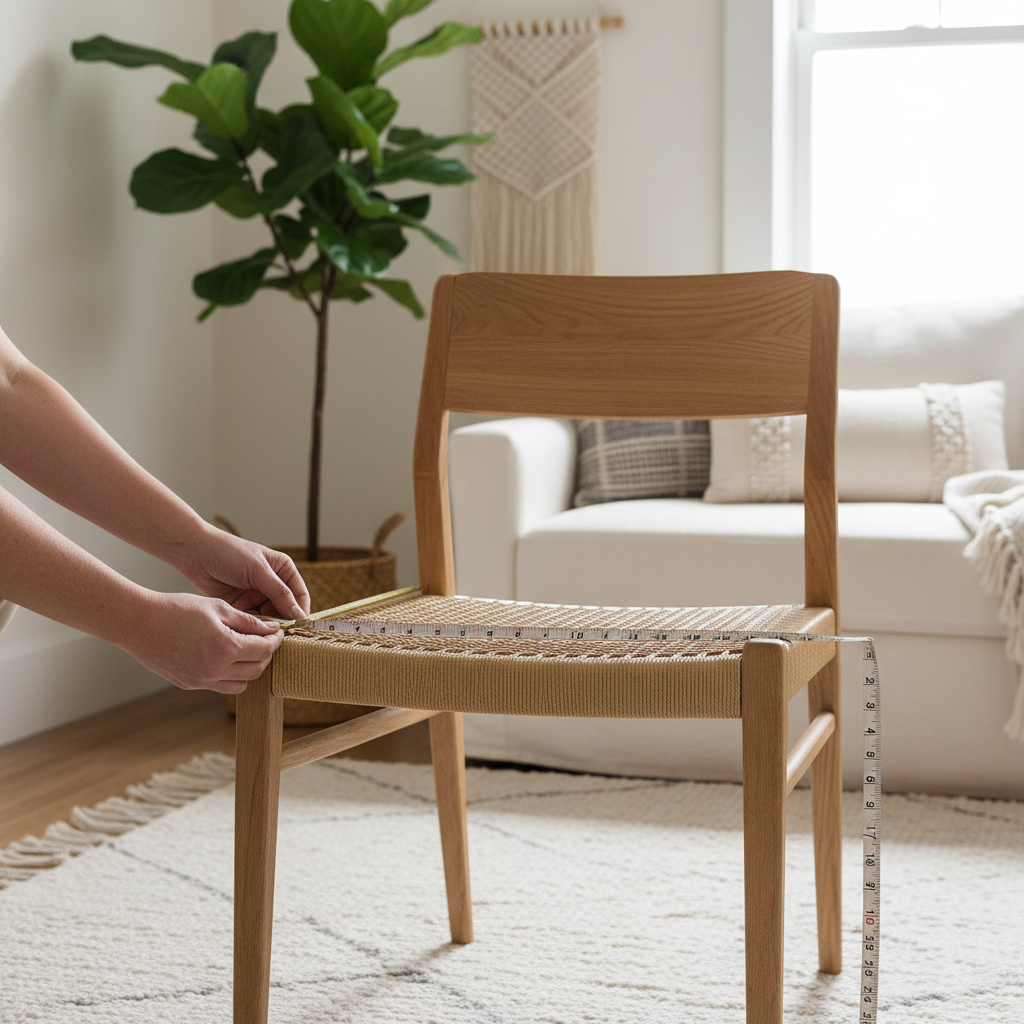
If you’re shopping online, a quick tip that saves time: look for exact dimensions and attachment type in the product specs, not only in the photos. Many returns happen because the cushion looks thick but measures thin, or the ties land in an awkward spot on your chair frame.
Practical Setup Tips: Make Them Look Styled, Not Sloppy
Even good cushions can look messy if they aren’t placed consistently. You don’t need perfection, just a repeatable routine.
- Align the back edge of each cushion with the chair’s backrest line so the set looks uniform.
- Tie placement: tie snug enough to prevent sliding, but not so tight that corners curl.
- Mixing patterns: keep one “hero” pattern and let the rest be solids or subtle textures.
- Color anchoring: pull one color from your rug, curtains, or centerpiece, even a small match makes boho feel cohesive.
If your cushions keep twisting, don’t fight it for weeks. Add a thin non-slip shelf liner under each pad, or switch to tie-on styles. Comfort-wise, stability matters more than most people expect.
Care, Safety, and Common Mistakes
Cushions live where food and heat exist, so care details matter. Also, if anyone in the home has allergies or skin sensitivity, fabric choice can make a difference, and it may be worth asking a healthcare professional for individualized advice.
Common mistakes that waste money
- Buying purely for thickness: thick fiber fill can still compress quickly, while thinner quality foam may feel better.
- Ignoring cleanability: if you won’t realistically spot-clean, you’ll resent light fabrics.
- Choosing fragile trim for high use: tassels and fringe look great, but they’re not kid-proof.
- Skipping measurements: “standard size” varies more than it should.
Care tips that keep cushions comfortable longer
- Rotate cushions between chairs every couple weeks to even out wear.
- Vacuum seams and tufting where crumbs collect.
- Follow the care label, and test cleaners in a hidden spot first.
According to the U.S. Consumer Product Safety Commission, it’s smart to keep flammable materials away from open flames and heat sources. In practical terms, don’t leave fabric cushions pressed against a space heater or near unattended candles on the dining table.
Key Takeaways (Save This Before You Shop)
- Comfort comes from support + stability, not just softness.
- Foam cores tend to last longer than fluffy fiber fill for everyday dining.
- Boho looks best when it’s edited: repeat a palette, limit loud patterns.
- Measure your seats and pick an attachment method that matches your chair surface.
- Cleanability is a feature, especially in real kitchens.
Conclusion: A Small Upgrade That Changes How the Room Feels
The right cushions make your dining area more usable, not just more photogenic, and that’s the whole point. When you choose boho style dining chair cushions for comfort, focus on supportive fill, a cover you can live with, and a fit that stays put.
If you want a quick next step, measure your chair seats today and decide which matters more in your home: washable covers, extra support for long sitting, or a stronger boho pattern moment, then shop with that priority in front of you.
FAQ
- What thickness is best for dining chair cushions if I want comfort without sitting too high?
For many dining setups, 1.5–2.5 inches hits the balance. If your table height already feels tight, go slimmer and prioritize better foam instead of extra thickness. - Do boho cushions work with modern or farmhouse dining sets?
Usually yes, especially in warm neutrals and textured weaves. The trick is keeping the pattern scale modest so it complements clean-lined furniture rather than fighting it. - How do I stop chair cushions from sliding on wood seats?
Ties tend to be most dependable. If you dislike visible ties, try gripper backing, and consider a thin non-slip liner underneath for extra stability. - Are memory foam dining chair cushions a good idea for daily use?
They can be, particularly if you want a softer feel on hard seats. Some people find memory foam warmer, so in hot climates a breathable cover or foam blend may feel better. - What fabrics are easiest to clean for a boho look?
Woven cotton blends and performance fabrics with subtle texture are often the most forgiving. Removable covers make a bigger difference than most shoppers expect. - Can chair cushions help with back pain during long meals?
They may improve comfort by adding support and reducing pressure points, but they’re not medical treatment. If pain persists or worsens, it’s reasonable to consult a healthcare professional for personalized guidance. - Should I match cushions exactly or mix patterns?
Matching looks calm and intentional, mixing can look more boho, but keep one consistent color thread across all chairs. If your room already has bold elements, matching or subtle variation usually looks better.
If you’re trying to upgrade a dining set without replacing chairs, start by narrowing your choices to two or three cushion styles that fit your measurements, then pick the boho texture or pattern that matches how you actually use the room, not just how you want it to look on a good day.