
Best magnetic spice jars for kitchen setups usually come down to two things: whether the magnets actually hold (even after months of use) and whether the jars stay easy to read, scoop, and clean when you cook fast.
If you’ve ever knocked over a mini “spice avalanche,” bought duplicates because you couldn’t see what you had, or found paprika from 2017 in the back of a cabinet, you already get the appeal. Magnetic spice jars can turn dead space, like the side of the fridge or a mounted metal board, into an organized spice wall that’s quick to scan.
This guide focuses on what matters in real kitchens: jar size that fits how Americans cook, lid styles that don’t annoy you, magnet strength, safe placement, and how to choose between sets versus building your own. I’ll also share a simple layout process so the system stays tidy after week three.
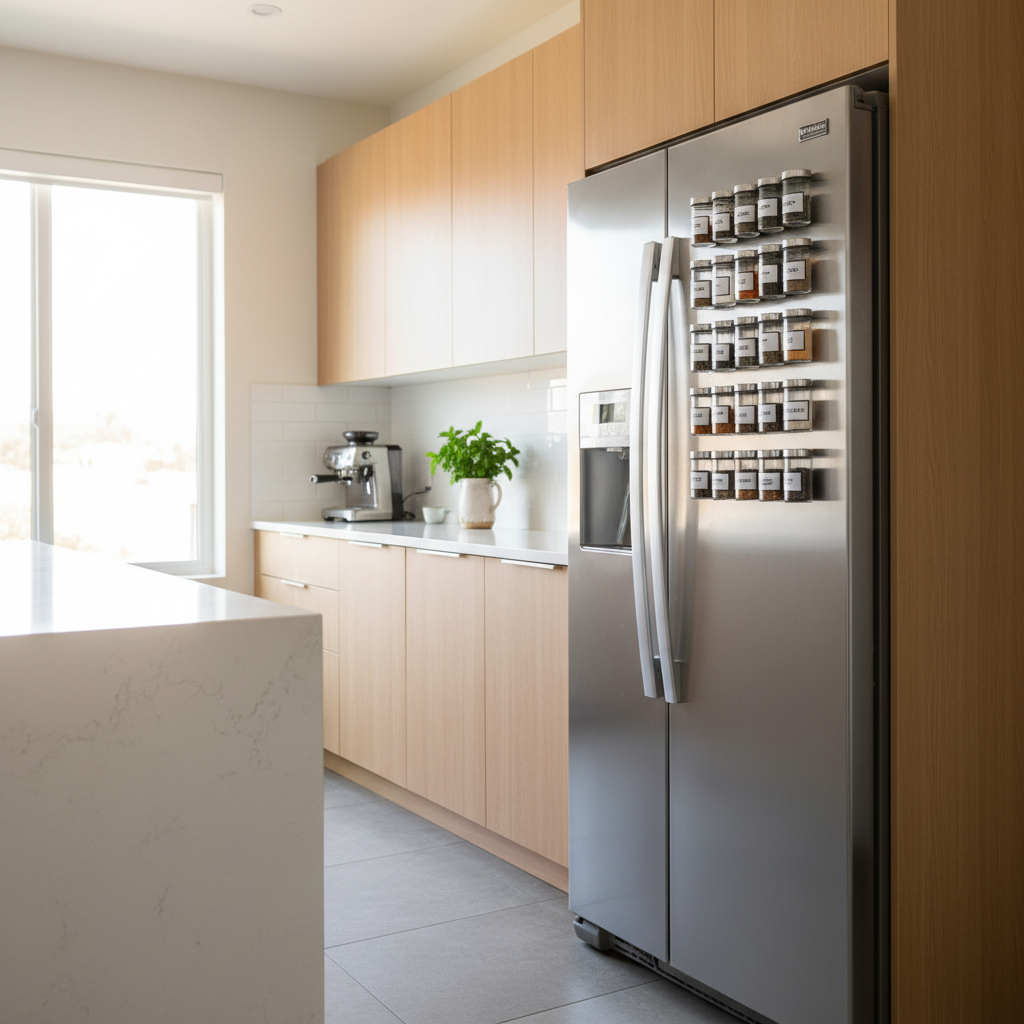
What makes magnetic spice jars actually work (not just look cute)
Most disappointment comes from buying based on photos, not function. Here are the practical specs that usually separate “love it” from “why did I do this.”
- Magnet strength and coverage: A full-base magnet or large magnet disc tends to feel more stable than a tiny center dot. If you plan to store heavier spices like coarse salt or peppercorns, stronger magnets matter.
- Jar material: Stainless steel looks clean and blocks light, while acrylic or glass lets you see levels quickly. Light exposure can affect spice quality over time, so see-through jars often work best if they’re not in direct sun.
- Lid design: Dual-opening shaker/scoop lids are convenient, but the hinge and gasket quality varies. Threaded lids can seal better yet feel slower when cooking.
- Label readability: You want high contrast, consistent names, and a layout that lets you read at a glance from your usual standing spot.
- Cleaning reality: Wide-mouth jars refill easier. Lids with too many crevices collect garlic powder dust and get gross.
According to USDA Food Safety and Inspection Service (FSIS), keeping food areas clean and preventing cross-contamination is a key kitchen safety principle. That matters here because magnetic storage often sits near hands, handles, and splatter zones, so wipeable surfaces and washable parts are not “nice to have.”
Quick comparison table: common magnetic spice jar styles
There isn’t one perfect pick, but you can narrow fast by matching jar style to how you cook and where you’ll mount them.
| Type | Best for | Pros | Watch-outs |
|---|---|---|---|
| Stainless steel tins (shaker/scoop lid) | Fast cooking, frequent grabbing | Durable, light-blocking, sleek look | You can’t see fill level; lid quality varies |
| Clear acrylic jars with magnet base | Seeing inventory at a glance | Easy to spot low spices, modern look | Can stain with turmeric; sunlight exposure can be an issue |
| Glass jars + separate magnetic strip/plate | Custom systems and upgrades | Flexible, often better seals | More pieces; heavier, so magnet choice matters |
| Pre-filled magnetic spice sets | Gifting, “done in one box” | Instant uniform labels and rack/board | Spice freshness varies; names may not match your pantry |
How to choose the best magnetic spice jars for your kitchen (a real-world checklist)
Before you buy anything, decide where they’ll live. Fridge side, range hood, a mounted steel board, inside a pantry door, these lead to different “best” choices.
- Surface test: Is the surface actually magnetic? Many stainless fridges are not magnetic on the front, sometimes only on the sides. A cheap magnet test saves returns.
- Heat and steam zone: If jars sit near the stove, choose lids that seal well and can be wiped easily. Heat exposure may shorten spice life, so some kitchens do better with a pantry-door board.
- Jar capacity: If you cook daily, tiny 2 oz tins can feel like constant refills for staples like garlic powder. For infrequent spices, small is fine.
- Refill workflow: Do you buy spices in bags? Wide mouths make refilling less messy. If you buy in shaker bottles, a funnel still helps.
- Labels you won’t hate later: Pick a labeling approach you can maintain, like a label maker or waterproof pre-printed labels with a matching font.
One more honest filter: if you rarely put spices back where they belong, choose a simpler layout and fewer jars. A magnetic system only “organizes” if it’s easy enough to keep using.
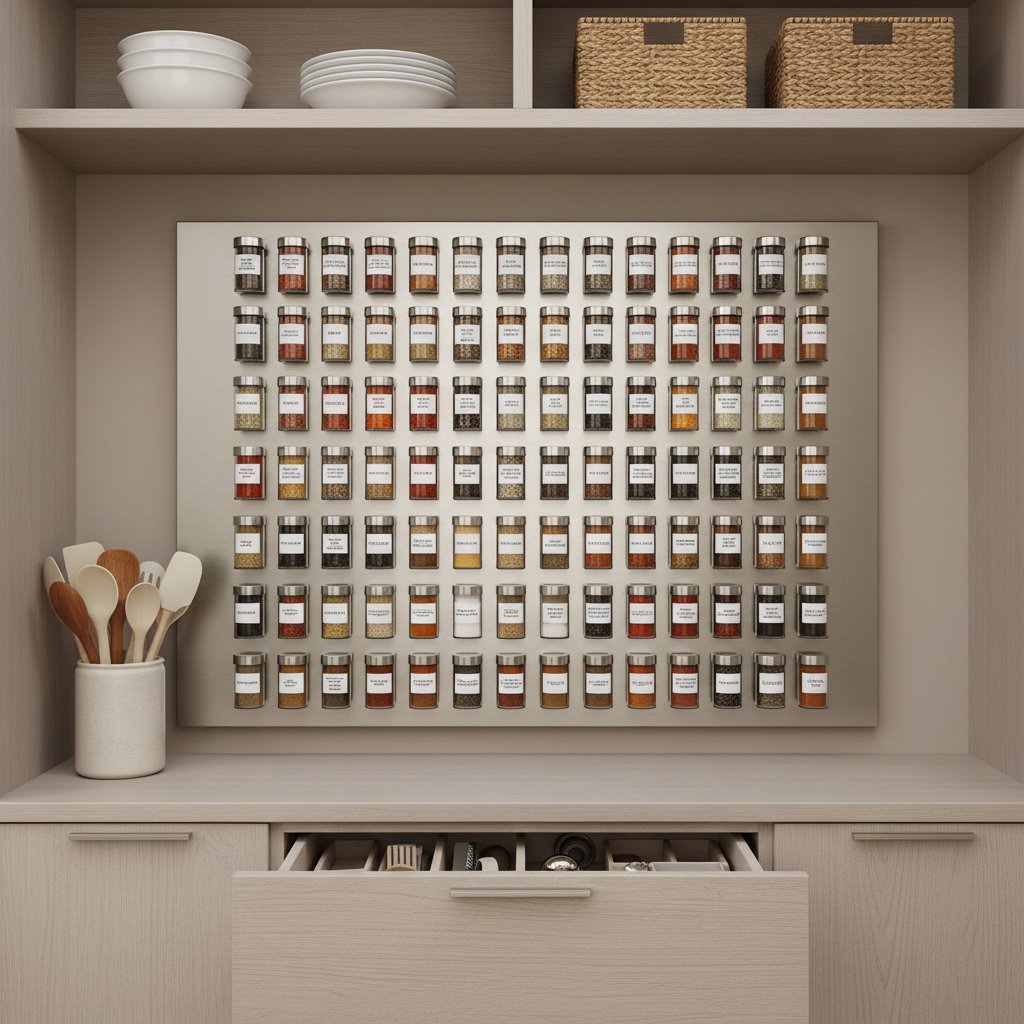
Set vs DIY: which buying path makes sense
Most shoppers end up in one of two camps, “I want it done” or “I want it right.” Neither is wrong, but they trade off differently.
When a set is the better move
- You want matching jars, matching labels, and a consistent look without tinkering.
- You’re organizing a small spice collection (say 12–24 spices) and you’re fine with a standard list.
- You’re setting up a first apartment or buying a gift.
When DIY wins
- You already own favorite spices and care about refilling with specific brands.
- You need non-standard labels, like “Chinese five spice,” “Everything bagel,” or chili blends.
- You want larger jars for daily staples and smaller ones for specialty items.
If you’re aiming for a best magnetic spice jars for kitchen result long-term, DIY often feels more “yours,” but it takes one extra hour up front to label and sort.
Installation and layout: the part that keeps it organized
People assume the jars are the hard part. The layout is where the system either stays clean or slowly turns into a random collage.
A simple layout that stays usable
- Group by cuisine or frequency: daily basics in the top row, baking in one block, spicy/heat in another.
- Alphabetical only within groups: full A–Z looks neat but often feels annoying mid-cooking.
- Leave 10–20% empty space: it’s your buffer for new spices, so you don’t reshuffle everything.
Mounting options that work in many kitchens
- Fridge side: easy and renter-friendly, but watch for door swing and kids grabbing jars.
- Metal board on wall: clean look and stable, especially if you keep it away from direct heat.
- Inside pantry door: low visual clutter, less light exposure, often the most practical.
Tip that saves frustration: place your most-used spices where your hand naturally reaches first. This sounds obvious, but many “Pinterest-perfect” grids ignore how people actually cook.
Safety, quality, and maintenance (what experienced cooks watch for)
Magnetic storage is generally safe, but the placement choices matter. A jar falling from a weak magnet near hot pans can turn into a real hazard.
- Keep jars away from open flame and high heat: heat and steam can cause clumping, and hot surfaces can be risky. If your only magnetic spot is right by the burner, consider a pantry-door setup instead.
- Check the seal: if you smell spices “in the air” around the rack, the lids may not be sealing well, and flavor can fade faster.
- Wipe weekly, deep clean occasionally: spice dust builds up, especially around shaker holes. Warm water and mild soap is usually enough; follow the manufacturer’s guidance for any metal finishes.
- Food allergens: if you cook for someone with allergies, cross-contact is possible via shared spoons and shaker lids. In sensitive situations, it may help to dedicate utensils or store certain spices separately, and you can also ask a healthcare professional for guidance if allergy risk is complex.
According to FDA, food contact surfaces should be kept clean and sanitized to reduce contamination risk. Your spice jar lids and the area around them fall into that “frequently touched” category, so a simple cleaning routine goes a long way.
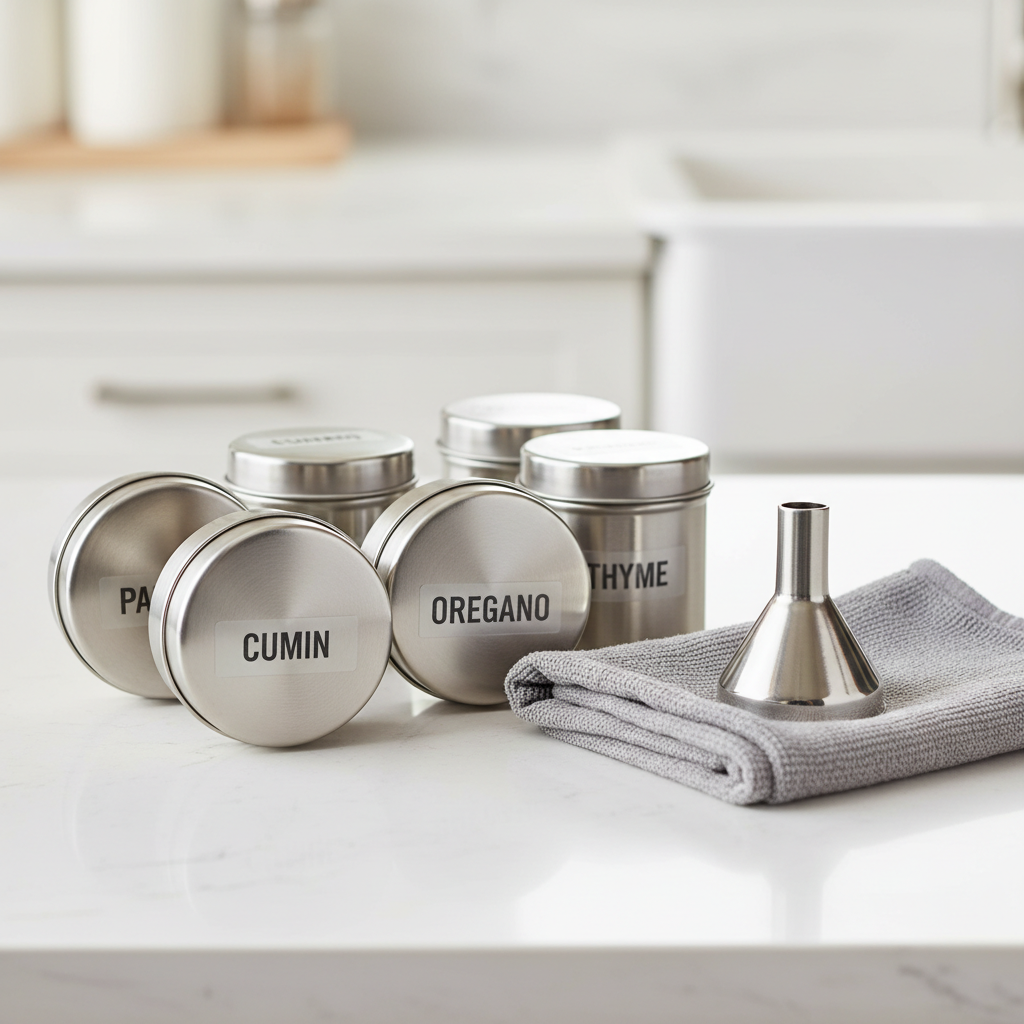
Practical buying picks: what to look for in product listings
Without naming specific brands, you can still shop smart by using listing details as a quality filter.
- Look for clear magnet specs: sellers that describe magnet type, size, or weight rating often take build quality more seriously, even if ratings aren’t standardized across listings.
- Prefer clear lid photos: you want to see gasket, hinge, and opening style. If all photos hide the lid mechanism, that’s a small red flag.
- Check included labeling: waterproof labels and a marker are more useful than decorative chalk labels that smear after two wipes.
- Match jar count to your real spice list: buying a 48-jar set for a 15-spice kitchen sounds like “future-proofing,” but it usually becomes clutter.
- Consider a refill plan: if refilling feels annoying, the system breaks. A funnel and a dedicated “refill bin” in the pantry helps.
Key takeaways: prioritize strong magnets, lids that seal, labels you can read fast, and a layout that fits your cooking habits. That’s what creates a best magnetic spice jars for kitchen result that lasts past the first week.
Conclusion: a simple way to get this right
The most satisfying magnetic spice setup isn’t the one with the most jars, it’s the one you can keep tidy while cooking hungry. Pick a mounting spot that avoids heat, choose jars you can open one-handed, and label in a way you’ll still like months from now.
If you want a low-effort next step, write down your top 18 spices, choose a jar size that fits your two or three biggest “refill” offenders, then buy just enough jars to build a clean first row. You can always expand once the system feels natural.
FAQ
Are magnetic spice jars safe to keep on the fridge?
In many kitchens, yes, as long as the magnets hold securely and the jars aren’t placed where the door movement bumps them. If you have kids who might pull them down, a pantry-door board may feel safer.
Do stainless magnetic spice jars keep spices fresher than clear jars?
Stainless tins block light, which can help with quality over time, but freshness still depends on seal quality, heat exposure, and how long you keep spices. A great seal in a cool spot often matters more than material alone.
What size magnetic spice jars should I buy for everyday cooking?
For common staples, slightly larger jars can reduce refill hassle. Smaller jars work well for specialty spices you use occasionally, so a mixed-size approach often feels more practical than one-size-only.
Will magnetic spice jars stick to any stainless steel refrigerator?
Not always. Some stainless finishes are non-magnetic, especially on the front panel. Test with a regular magnet on the exact spot you plan to use before buying a large set.
How do you label magnetic spice jars so they don’t smear?
Waterproof vinyl labels or a label maker tends to hold up better than chalk markers in a kitchen. If you love the chalk look, consider putting the chalk label under a clear protective overlay.
Where should I mount a metal spice board if I cook a lot?
Usually near your prep area, not directly above the stove. You want quick access without steam, grease, and high heat hitting the lids every day.
Are pre-filled magnetic spice sets worth it?
They can be convenient for a fresh start or gifting, but spice preferences vary and some cooks already have favorite blends. If you care about specific brands or want unusual spices, empty jars plus your own refills often feel better.
If you’re trying to choose the best magnetic spice jars for kitchen organization and want a setup that looks good but also survives real weeknight cooking, start with your mounting spot and your top-used spices, then pick jars and labels that match that routine instead of forcing a one-size-fits-all set.