
Best waterproof mattress protectors are meant to solve one unglamorous problem: keeping your mattress clean when real life happens, whether that’s nighttime accidents, pet messes, sweat, spills, or period leaks.
If you’ve ever tried to “just wash the sheets” after a mishap, you already know the catch: stains and moisture can sink past the top layer and linger inside the mattress, and that’s when odors and deterioration start to feel permanent.
This guide focuses on what actually matters when you shop, waterproofing type, fabric feel, noise, fit for thick mattresses, and how to pick the right protector for your household without paying for features you won’t use.
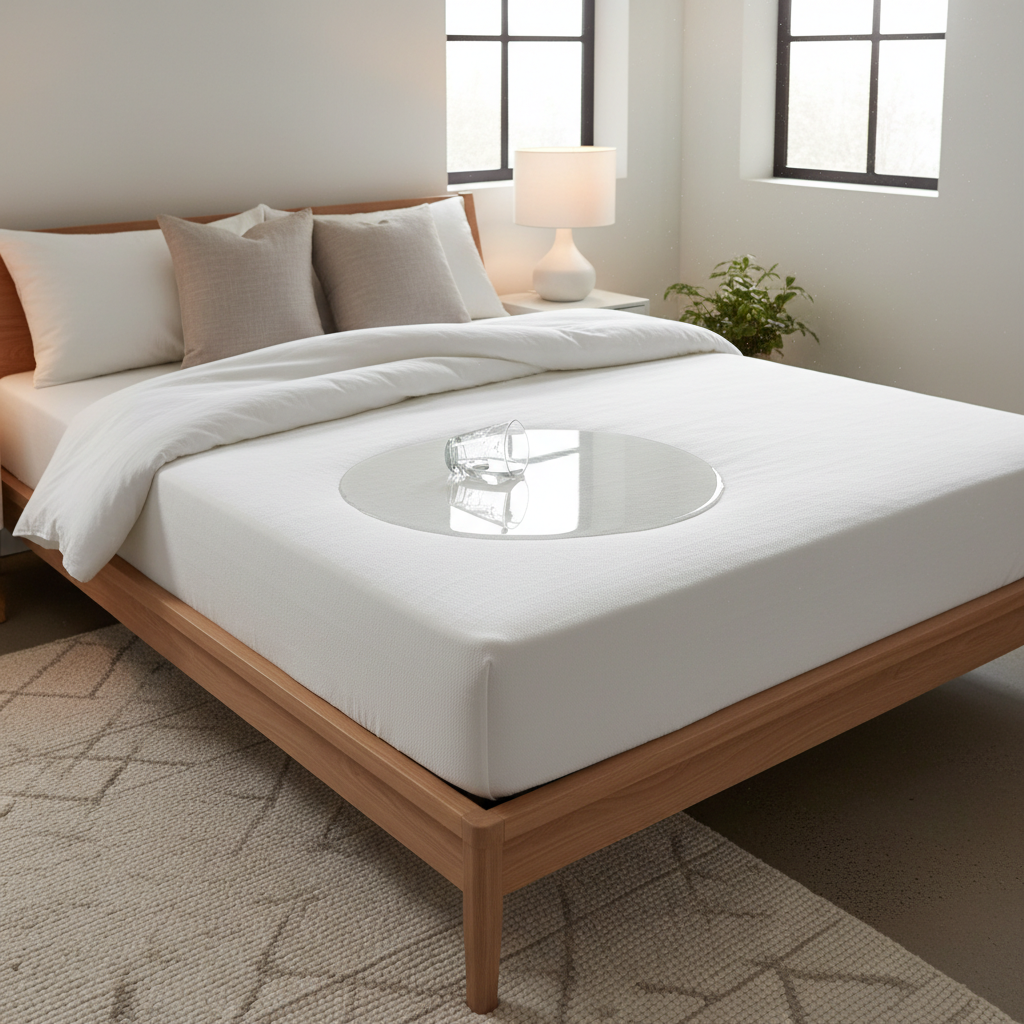
What “waterproof” really means (and what it doesn’t)
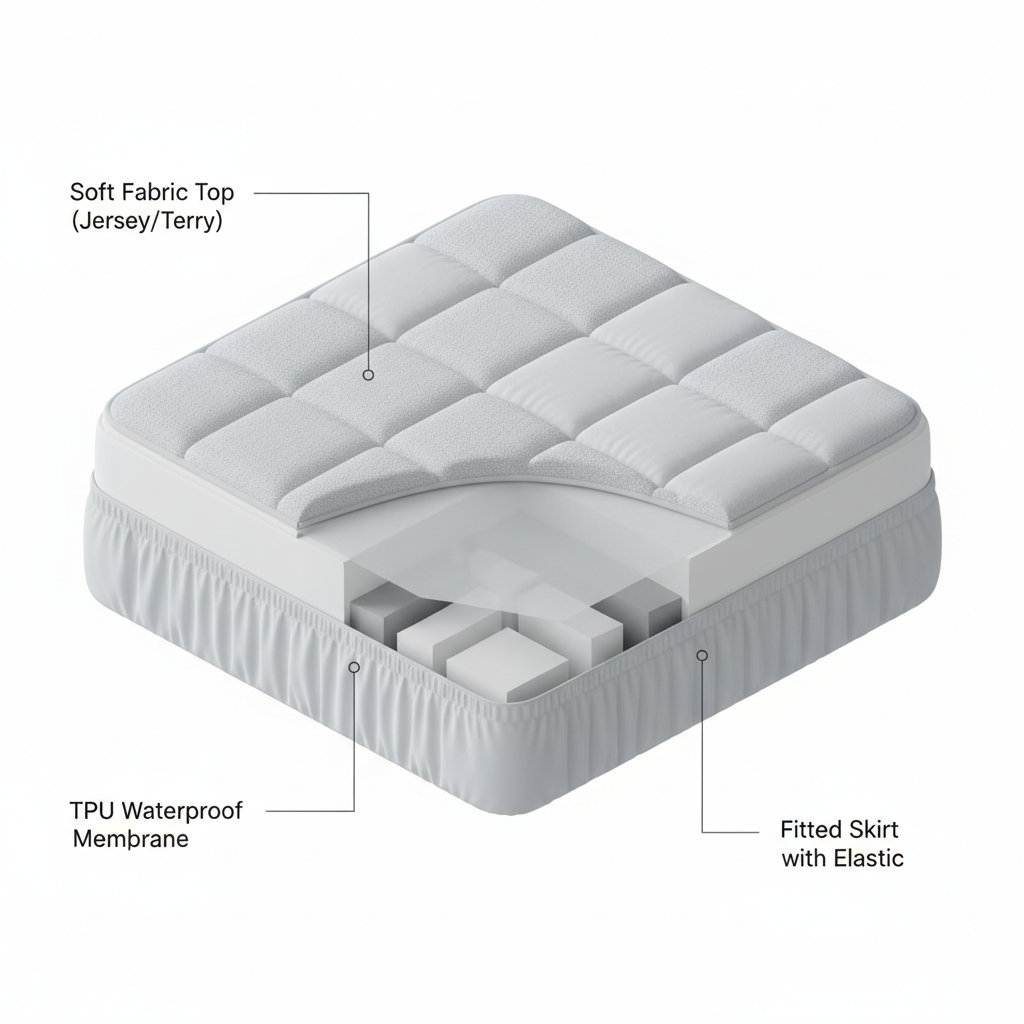
Most waterproof protectors use a thin barrier film laminated to fabric. That barrier blocks liquid from reaching the mattress, but it doesn’t automatically mean the surface stays cool, silent, or breathable.
Two quick clarifications help set expectations:
- Waterproof means liquids should not pass through under normal use, but seams, elastic edges, and wear over time still matter.
- Breathable usually means water vapor can move through, which can reduce heat buildup, but breathability varies a lot by material and construction.
According to the U.S. Consumer Product Safety Commission (CPSC), product labels and instructions matter for safe use; for bedding, that often translates into following laundering directions so the barrier doesn’t degrade earlier than expected.
Common materials and how they feel in real bedrooms
When people dislike a protector, it’s rarely because it “didn’t work.” It’s because it changed how the bed feels. Material choice drives that experience.
TPU vs. vinyl (and why most people prefer TPU)
- TPU (thermoplastic polyurethane): common in mid-range to premium protectors, typically softer, less crinkly, and often more breathable than old-school plastic.
- Vinyl/PVC: can be very waterproof, but tends to trap heat and may feel stiff or noisy. Many shoppers avoid it unless budget is the only priority.
Top fabric: terry, jersey, bamboo-viscose blends
- Cotton terry: slightly textured, good absorbency on top, can feel “towel-like.” Helpful for sweat and small spills.
- Jersey knit: smooth, T-shirt feel, often a good balance for everyday comfort.
- Rayon from bamboo (viscose) blends: frequently marketed as cooler; sometimes true in feel, but the waterproof layer still controls a lot of temperature performance.
Quick comparison table: pick by situation
If you want the short version, this table is usually enough to narrow your shortlist, then you can compare brands within the “right” type.
| Situation | Best type to look for | Why it fits | Trade-offs |
|---|---|---|---|
| Kids potty training | Fitted protector with strong elastic + TPU | Secure fit, dependable barrier, easier laundry rotation | May feel warmer than a bare mattress |
| Incontinence support | Higher GSM top fabric, reinforced seams, deep pocket | Handles frequent washing and higher-volume incidents | Often thicker, can change mattress feel |
| Pets on the bed | Durable knit top + quiet membrane, snug skirt | Less noise, better resistance to clawing and shifting | Not all are truly puncture-resistant |
| Hot sleepers / night sweats | Breathable TPU + thin jersey top | Less “plasticky” feel, often cooler than terry | May absorb less on top |
| Guest room, occasional use | Simple fitted protector, machine washable | Low effort, prevents surprise spills | Comfort upgrades may be unnecessary |
A practical checklist before you buy
A lot of “this protector is terrible” reviews trace back to mismatch: wrong pocket depth, wrong feel, wrong expectations about noise. Use this quick list and you’ll avoid most of that.
- Mattress height: measure it, then choose a pocket depth that comfortably exceeds it. Pillow-top and hybrid beds often need deep pockets.
- Corner hold: for active sleepers, a full fitted skirt tends to stay put better than simple straps.
- Noise sensitivity: if you hate crinkling, prioritize “quiet” or “noiseless” claims, and lean toward TPU + knit tops.
- Heat concerns: if you already sleep warm, avoid thick terry unless you need the absorbency.
- Allergy goals: if dust mites are the concern, look for an encasement (full zip) rather than a standard fitted protector.
- Laundry reality: if it will be washed weekly, choose something designed for frequent washing and dryer-safe on low.
How to choose the best waterproof mattress protectors by category
There isn’t one universal winner. The best waterproof mattress protectors depend on who uses the bed and what kind of mess you’re trying to prevent, small daily moisture, occasional accidents, or higher-volume leaks.
Everyday protection (spills, sweat, wear)
- Jersey top + TPU backing is a comfortable baseline for most adults.
- Focus on fit and feel over “extra thick.” Thick isn’t always better on a bed you sleep on nightly.
Heavy-duty protection (frequent accidents)
- Look for stronger elastic, deeper pockets, and sturdy stitching around seams.
- Consider buying two protectors so you can swap immediately while one is in the wash.
Allergy or dust mite concerns
- A zippered encasement can block allergens more comprehensively than a top-only protector.
- Make sure it’s still waterproof if liquids are part of your concern, not every encasement is.
Memory foam and hybrid mattresses
Foam tends to retain heat, and a thick protector can amplify that. If you love the feel of memory foam, a thin, stretchy knit top protector often preserves that contouring better than a plush terry surface.
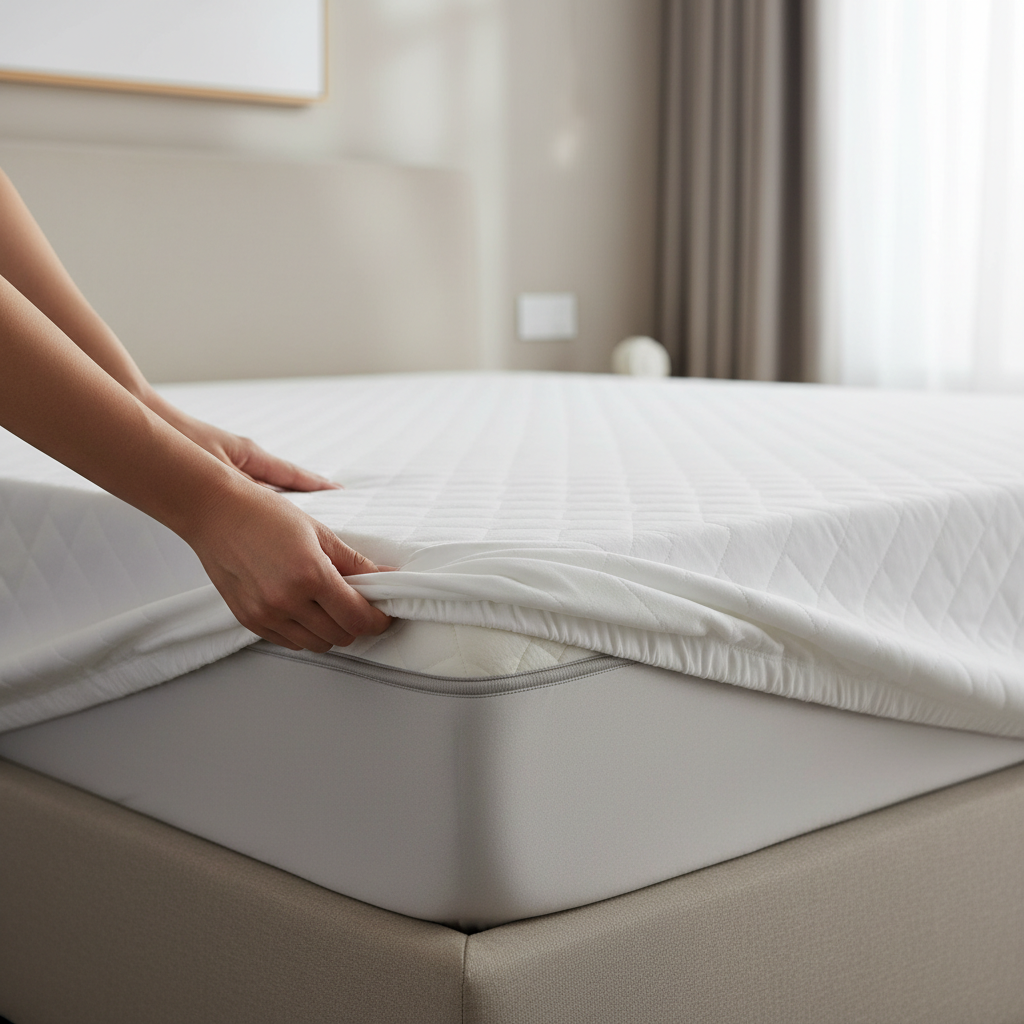
Setup and care: keep the waterproof barrier working
Even the best waterproof mattress protectors can lose performance early if they’re overheated in the dryer or washed too aggressively. Annoying, but true.
- Wash cold or warm: hot water can stress laminated layers over time.
- Skip fabric softener: it can leave residue and reduce absorbency on the top fabric.
- Dry low (or line dry): high heat is a common reason membranes crack or delaminate.
- Rotate if incidents are frequent: having a spare reduces the temptation to rush-dry on high heat.
If you’re dealing with bodily fluids, use cleaning practices you’re comfortable with, and if there’s a health concern or recurring skin irritation, it’s reasonable to consult a clinician for personalized guidance.
Common mistakes that waste money (and how to avoid them)
- Buying an “oversized” protector to make fitting easier: extra fabric tends to bunch, trap heat, and shift at night.
- Assuming “water-resistant” equals waterproof: water-resistant might handle small splashes but fail with pooling liquid.
- Ignoring mattress depth: shallow pockets pop off corners, then liquid finds the exposed edge.
- Chasing the thickest option for comfort: if you want cushioning, a dedicated mattress pad plus a thinner waterproof layer often feels better.
- Not reading the care label: warranty language often expects you to follow wash and dry instructions.
Key takeaways and a simple buying plan
If you want one clean plan, do this: pick the right style for your risk level, confirm pocket depth, then prioritize quiet comfort before paying extra for marketing buzzwords.
- Low to moderate risk: jersey-knit fitted protector with TPU, deep pocket if needed.
- High risk or frequent washing: sturdier construction, reinforced seams, buy two for rotation.
- Allergy-driven: consider a waterproof encasement, and confirm zipper quality and breathability.
At the end of the day, you’re protecting an expensive item with a relatively inexpensive layer. Choose something you won’t hate sleeping on, because the protector that stays on the bed is the one that actually protects your mattress.
FAQ
- Do waterproof mattress protectors make you sleep hot?
They can. A thick terry top and less-breathable backing usually feel warmer, while a thin knit top with TPU tends to sleep closer to your sheets. - What’s the difference between a mattress pad and a mattress protector?
A pad is mainly for comfort and cushioning, a protector is for guarding against liquids and stains. Some products combine both, but comfort-first options aren’t always truly waterproof. - How often should I wash a waterproof mattress protector?
Many households wash monthly or as needed after spills. If allergies, sweat, or pets are involved, more frequent washing may make sense, just stay gentle with heat. - Will a protector change how memory foam feels?
Sometimes. Thicker or less-stretchy fabrics can reduce contouring. If you care about feel, choose a stretchy jersey style and avoid overly plush surfaces. - Are zippered encasements better than fitted protectors?
For allergens, often yes because they cover more surface area. For quick laundry swaps after accidents, fitted protectors are usually easier. - How do I stop a protector from slipping off the corners?
Confirm pocket depth, look for a full elastic skirt, and avoid sizing up. If your mattress is very tall, “deep pocket” is non-negotiable. - Can I use bleach on a waterproof protector?
Many brands advise against it because it can damage membranes and elastic. If sanitation is a concern, follow the care label and consider consulting a professional for safe cleaning guidance.
If you’re trying to narrow down options fast, start with your main risk (kids, pets, sweat, medical needs), then pick the simplest protector that meets that need, you’ll usually end up with better comfort and fewer regrets.