
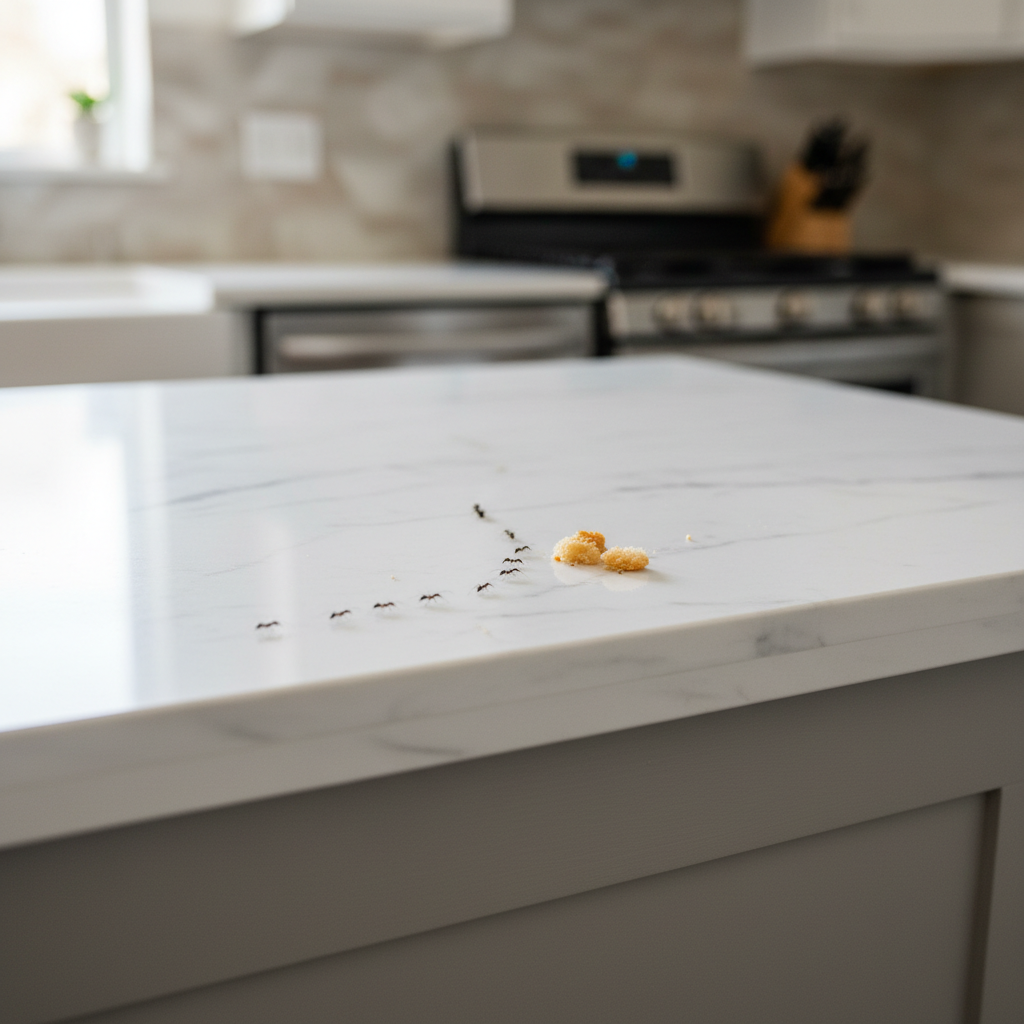
how to get rid of ants in kitchen naturally starts with one unglamorous truth: ants aren’t “randomly showing up,” they’re following a food-and-water map your kitchen accidentally provides.
If you’ve wiped the counter three times and they still come back, you’re not failing at cleaning, you’re just treating the symptom. The goal is to cut off what’s attracting them, break the scent trail they use like GPS, then seal the easy entry points so the problem doesn’t restart next week.
Also, “natural” doesn’t mean “do nothing.” Many natural methods work well, but only when you use them in the right order and don’t skip the boring steps like storage and sealing.
Below is a practical, kitchen-safe plan, with a quick diagnosis checklist, a few reliable natural tools, and clear cues for when you may need a pro.
Why ants keep coming back (even after you clean)
Most kitchen ant problems are about consistency, not cleanliness. A single reliable food source makes a colony stubborn, and a tiny amount of residue can be “enough.”
- Scent trails: Ants lay pheromone trails, so even if you remove the ants you see, the “path” can stay active until you break it.
- Micro food sources: Syrup rings, pet food dust, grease film near the stove, compost drips, or a trash can lid that never fully seals.
- Water access: A damp sponge, a slow sink leak, condensation under a coffee maker, or a wet dish mat can be more valuable than crumbs.
- Seasonal pressure: Heat, drought, or heavy rain can push ants indoors searching for stable food and moisture.
- Easy entry points: Gaps around pipes, a tired door sweep, or cracks at the window sill let scouts in nightly.
According to the U.S. Environmental Protection Agency (EPA), an effective pest approach usually focuses on prevention and targeted control rather than routine, broad chemical spraying, which lines up well with natural kitchen methods.
Quick self-check: what kind of kitchen ant situation is this?
Before you pick a remedy, take two minutes to identify the pattern. It saves a lot of trial and error.
Fast checklist
- One thin line from a baseboard or window to a specific spot: you likely have a clear trail you can break.
- Ants around sink, dishwasher, or coffee area: moisture may be the main driver.
- Ants in pantry items (flour, cereal, sugar): you need storage fixes first, or they’ll keep reappearing.
- Large ants (carpenter ant size) near damp wood: could signal a moisture issue in walls or cabinets, consider professional assessment.
- Random ants in multiple rooms: you may have more than one entry point, or an outdoor nest very close to the home.
Key point: If you can’t find where they’re coming from, don’t start with “stronger” solutions, start with trail mapping and entry-point checks.
The natural step-by-step plan (do these in this order)
This is the sequence that tends to work in real kitchens: remove the payoff, erase the route, then block access.
1) Remove attractants (the 15-minute reset)
- Wipe counters and backsplash with warm soapy water, then dry fully.
- Empty crumbs from toaster trays, under cutting boards, and under small appliances.
- Rinse recyclables (especially soda/juice containers) and use a bin with a lid.
- Switch fruit bowls to the fridge for a few days if fruit flies and ants overlap.
- Feed pets on a schedule, then pick up bowls, wipe the floor, and store food sealed.
2) Break the trail (so they stop “finding” the kitchen)
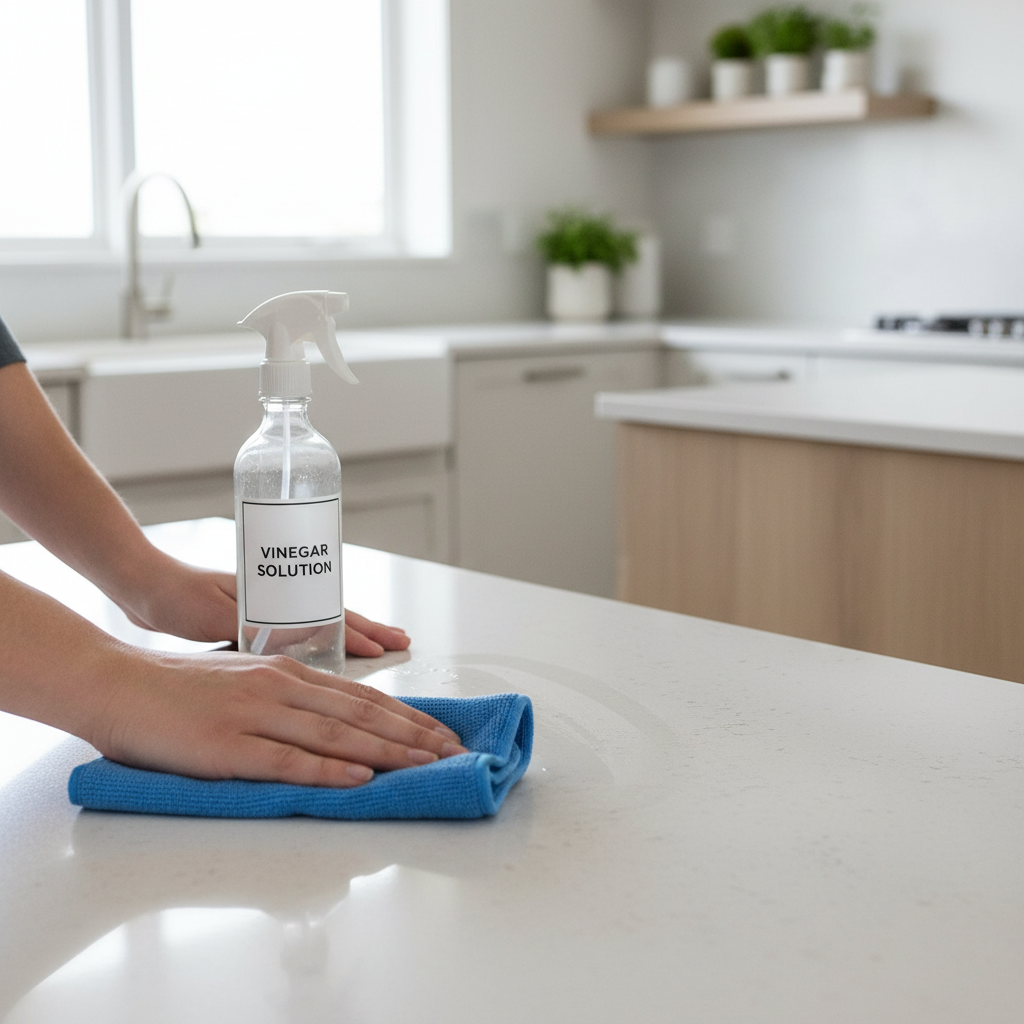
For most people, this is the missing piece in how to get rid of ants in kitchen naturally. You want to clean in a way that removes the chemical trail, not just the visible ants.
- Vinegar wipe: Mix equal parts white vinegar and water, wipe along the ant line, baseboards, and the destination area.
- Soapy water: Dish soap in warm water can help strip residues; follow with a dry towel.
- Spot clean the edges: Ant trails often run along corners and seams, not the middle of the counter.
If you prefer not to use vinegar on certain surfaces, test in a hidden spot first, and follow manufacturer guidance for stone counters.
3) Block entry points (small fixes, big payoff)
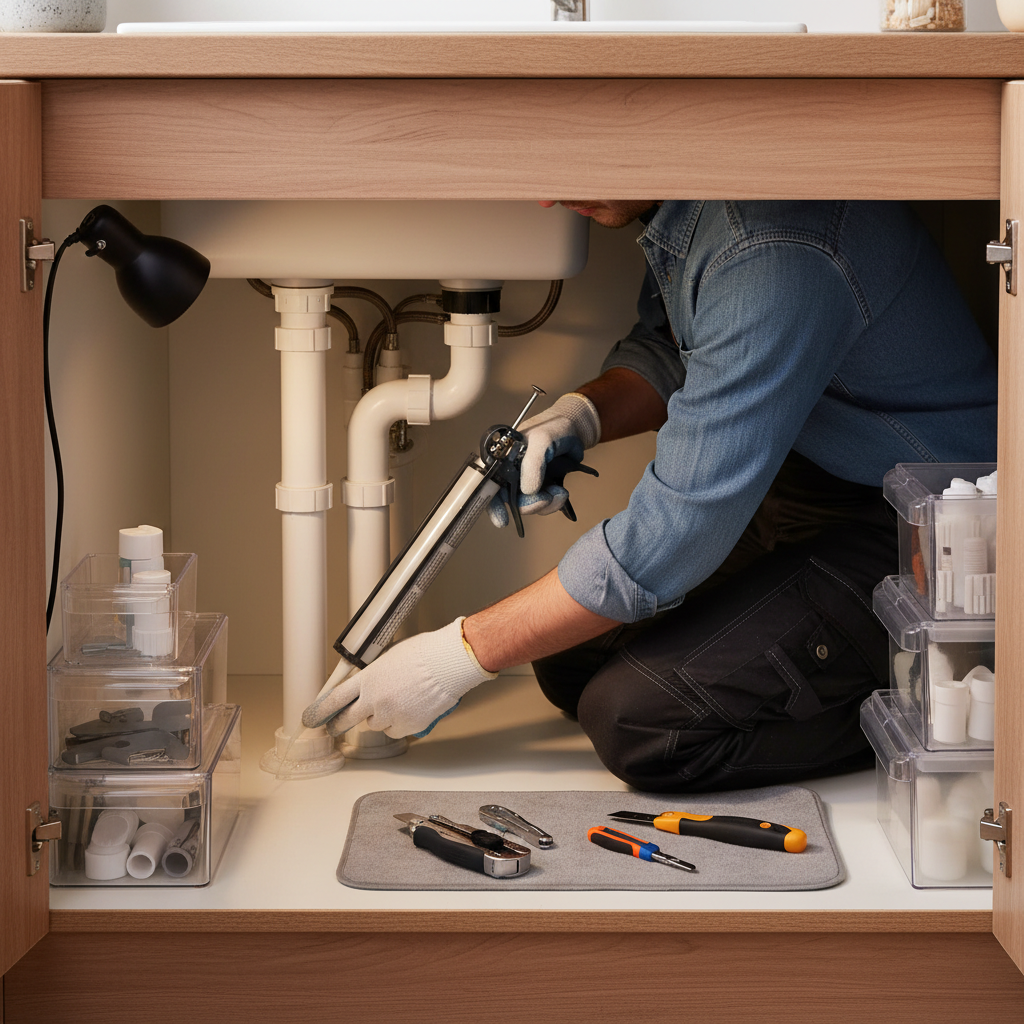
- Seal cracks and gaps with silicone caulk along baseboards, window trim, and behind sinks where pipes enter.
- Add or replace door sweeps, especially at garage-to-kitchen doors.
- Use weather stripping where light shows through around doors or windows.
Even “good” natural repellents struggle if new scouts keep entering nightly.
Natural remedies that actually help (and what each is best for)
Natural tools work best when they match the situation: repel at entrances, clean trails on surfaces, and use baits when the colony is established.
| Natural method | Best use | How to apply | Watch-outs |
|---|---|---|---|
| White vinegar + water | Breaking trails, quick reset | Wipe along trails, baseboards, and entry edges | May affect some stone surfaces; spot test |
| Food-grade diatomaceous earth | Dry areas, under appliances, wall edges | Light dusting in thin lines where ants travel | Avoid inhaling dust; keep away from kids/pets during application |
| Baking soda + powdered sugar | Light infestations, when you see steady traffic | Small bait stations near trails, away from food prep | Results vary by species; keep out of reach |
| Essential oils (peppermint, tea tree) | Short-term deterrent at entry points | Dilute, then wipe entry areas or use cotton balls | Can irritate pets/skin; use cautiously and ventilate |
| Soap-and-water spray | Immediate knockdown | Spray directly on ants, then wipe and dry | Doesn’t solve colony alone; combine with trail removal |
According to the National Pesticide Information Center (NPIC), “natural” substances can still have risks depending on exposure, so treat essential oils and dusts like real products, store them safely, and avoid overuse in enclosed spaces.
Practical “do this today” routine (morning + evening)
If you want something simple, this two-part routine often stabilizes the situation within several days, assuming the nest is not deep inside the structure.
Morning (5–10 minutes)
- Wipe the most active trail with vinegar solution or soapy water.
- Dry the sink and wring out sponges, switch to a dry sponge holder if possible.
- Quick sweep under the eating area and pet bowls.
Evening (10–15 minutes)
- Take out trash and rinse recyclables, especially sweet containers.
- Store bread, cereal, sugar, and snacks in airtight containers.
- Place your chosen natural barrier: a light diatomaceous earth line in dry, hidden travel paths, or a small bait station if you’re testing baking soda + sugar.
Small mindset shift: you’re not trying to “kill every ant,” you’re trying to make the kitchen stop paying them, so scouts stop recruiting more.
Common mistakes that make natural ant control fail
A lot of frustration comes from reasonable actions that accidentally work against you.
- Only spraying visible ants: you remove the symptom, but the trail and attractants remain.
- Using strong-smelling repellents everywhere: ants may reroute into new areas, and you lose the ability to track the entry point.
- Skipping airtight storage: cardboard and thin plastic bags often leak scent, especially with sugar and grains.
- Leaving “just a few” overnight: one successful night can restart steady traffic, especially if the colony is close.
- Overapplying diatomaceous earth: thick piles get avoided; a fine, barely visible dusting tends to work better.
If you’re balancing safety with effectiveness, concentrate treatments in cracks, under appliances, and other low-contact spots rather than across food-prep surfaces.
When to stop DIY and consider professional help
Many cases respond well to the steps above, but some situations drag on because the nest is inaccessible or there’s a moisture/wood issue that needs repair.
- Carpenter ant suspicion: large ants plus damp wood, sawdust-like frass, or recurring activity near walls.
- Persistent ants after 2–3 weeks of consistent trail removal, storage changes, and entry sealing.
- Ants tied to leaks: water damage, soft cabinet bases, recurring dampness under sinks.
- Apartment/condo spread: if activity seems shared between units, building-level coordination may be necessary.
If you have concerns about allergies, asthma, pets, or small children, it may be worth asking a licensed pest professional about an Integrated Pest Management approach with minimal-exposure options.
Conclusion: a natural plan that sticks
how to get rid of ants in kitchen naturally usually comes down to three repeatable moves: remove the food and water payoff, erase the scent trail, then block the entry points so new scouts fail.
If you want one action today, do the trail wipe and switch to airtight storage for anything sweet or starchy. If you can do two, add a quick seal around the most likely entry gaps under the sink and along baseboards. That’s where “natural” starts feeling effective.
FAQ
What is the fastest natural way to get rid of ants in the kitchen?
For quick relief, wipe the trail with soapy water or a vinegar-and-water mix, then dry the area. It won’t solve the colony alone, but it often stops the immediate line so you can find the entry point.
Does vinegar really stop ants, or do they come back?
Vinegar helps most as a trail remover, not a permanent repellent. If food residue or moisture remains, they may rebuild a trail, so pair vinegar wipes with storage fixes and entry sealing.
Is diatomaceous earth safe to use around food areas?
Food-grade diatomaceous earth is commonly used in homes, but you still want to keep dust out of the air and away from food prep surfaces. Apply a thin line in cracks and hidden dry areas, and follow the label.
Why are ants only showing up near my sink?
Many times it’s moisture, not crumbs. Check for slow leaks, damp sponge storage, condensation, and wet mats. Drying that zone nightly can make a bigger difference than extra counter wiping.
Can I use essential oils to keep ants away?
Essential oils can deter ants in some cases, especially at entry points, but results vary. Use diluted solutions, ventilate, and be cautious with pets since some oils may irritate or harm them.
How long does it take for natural methods to work?
If the nest is nearby and you stay consistent, you may notice fewer ants within a few days. Harder cases can take a couple of weeks, especially if you’re still locating all entry points.
What if ants are inside my pantry staples?
Discard heavily infested items, then switch the rest to airtight containers and wipe shelves to remove residue. If you keep items in original bags or boxes, ants can keep finding them even after you clean.
If you’re trying to keep your kitchen low-tox while still getting real results, it can help to build a small “ant kit” with airtight containers, vinegar spray, and a sealing plan for common entry points, so you’re not starting from scratch each time activity pops up.